Hetzner Russia War OSINT
Telegram-based OSINT on Russian adversarial Telegram channels, cross-checked against pro-Ukrainian channels, with a main focus on drones, robots and AI in Russia's war against Europe. Running entirely on Hetzner's AI inference service, currently in beta testing. The analysis runs several times a day.
Most important events
What happened, and what the monitored channels added around it. The event is usually already public; the detail underneath is what the channels supply and ordinary reporting leaves out. Every line names its channel and grade — these are combatant claims about a live war, not established fact.
US envoy Witkoff meets Putin in St. Petersburg
High-level diplomatic contact between the US and Russia, signaling a potential shift in ceasefire negotiations and prisoner exchange frameworks.
US envoy Steve Witkoff met with Vladimir Putin in St. Petersburg for a three-hour session, accompanied by Kirill Dmitriev. The discussion covered the Ukraine crisis, prisoner releases, and the possibility of a future Trump-Putin summit. This follows Witkoff’s talks with Zelensky in Oslo and signals active US mediation efforts.On this site Vladimir Putin Donald Trump
- Meeting lasted over 3 hours; Kirill Dmitriev was present. Поддубный |Z|O|V| edition C
- Putin told Whitkoff he would discuss a potential meeting with Donald Trump. МИГ России (MIG Rossii) C
- Discussed ceasefire for energy/food, prisoner exchange, and post-war economic deals. Kotsnews (Александр Коц) C
Still unknown Whether a specific date or framework for a Trump-Putin summit was agreed upon.
US releases American mercenary Steven Hubbard
Release of a high-profile US citizen convicted of mercenarism, linked directly to ongoing US-Russia negotiation efforts.
Russia released American Steven Hubbard, who was convicted of mercenarism for fighting for Ukraine and sentenced to seven years. He was released at Pulkovo Airport. US envoy Steve Whitkoff thanked Putin for the release, linking the action to the ongoing negotiation efforts discussed during their meeting.On this site Arena-M Vladimir Putin
- American Steven Hubbard, convicted of mercenarism for fighting for Ukraine, sentenced to 7 years, released at Pulkovo Airport. ANNA NEWS C
- US envoy Steve Whitkoff thanked Putin for the release, linking it to ongoing negotiation efforts. ANNA NEWS C
Still unknown Details of any quid pro quo or specific prisoner swaps involved.
Zelensky meets US envoy Witkoff in Oslo
Ukrainian leadership engages in direct talks with the US envoy regarding war termination, security guarantees, and territory, under pressure from Washington.
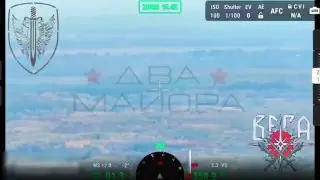
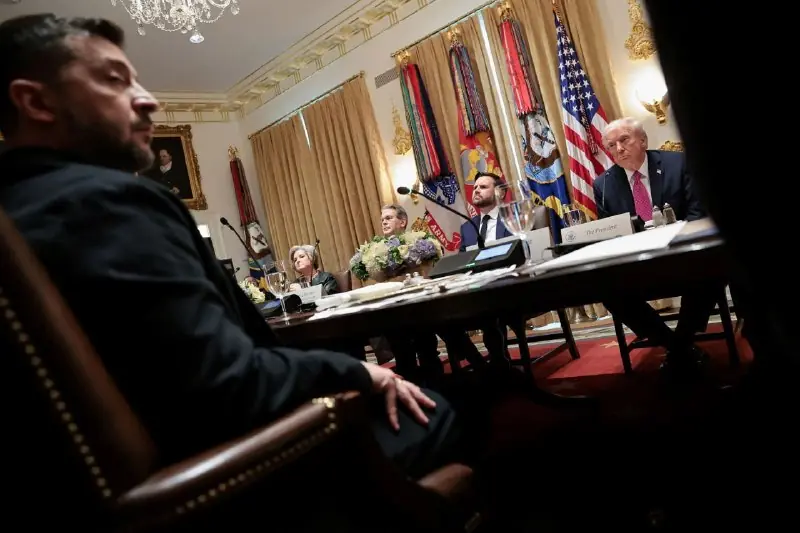
Volodymyr Zelensky met with US envoy Steve Witkoff, along with Finnish President Alexander Stubb and Norwegian PM Jonas Gahr Støre, in Oslo. The talks focused on war termination, security guarantees, and territory. Trump urged Zelensky to make a deal, warning of ‘very bad’ consequences if Kyiv refuses, and noted that Ukraine missed better terms two years ago.- Zelensky met US envoy Steve Witkoff, Finland's Stubb, and Norway's Støre in Oslo on Oct 20 to negotiate war termination, security guarantees, and territory. Два майора (Two Majors) C
- Trump urges Zelensky to make a deal, noting Russian army successes and territorial expansion. Claims Ukraine missed better terms two years ago. Операция Z: Военкоры Русской Весны D
- Zelensky claims US offered NATO Article 5-level security guarantees and resumed intelligence sharing, including on ballistic launches. Операция Z: Военкоры Русской Весны D
Still unknown Specifics of the security guarantees offered and Ukraine's response to the territorial concessions pressure.
NATO deploys additional forces to Black Sea
Direct NATO military response to attacks on merchant vessels in the region, escalating the alliance's involvement in the conflict's maritime domain.
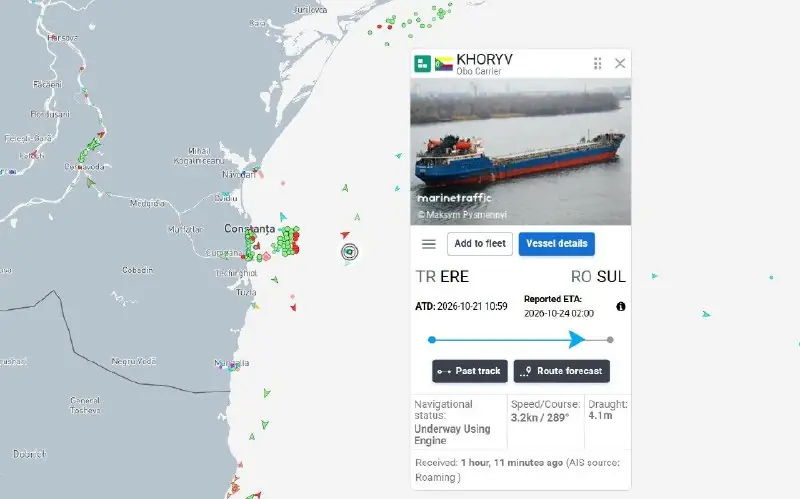
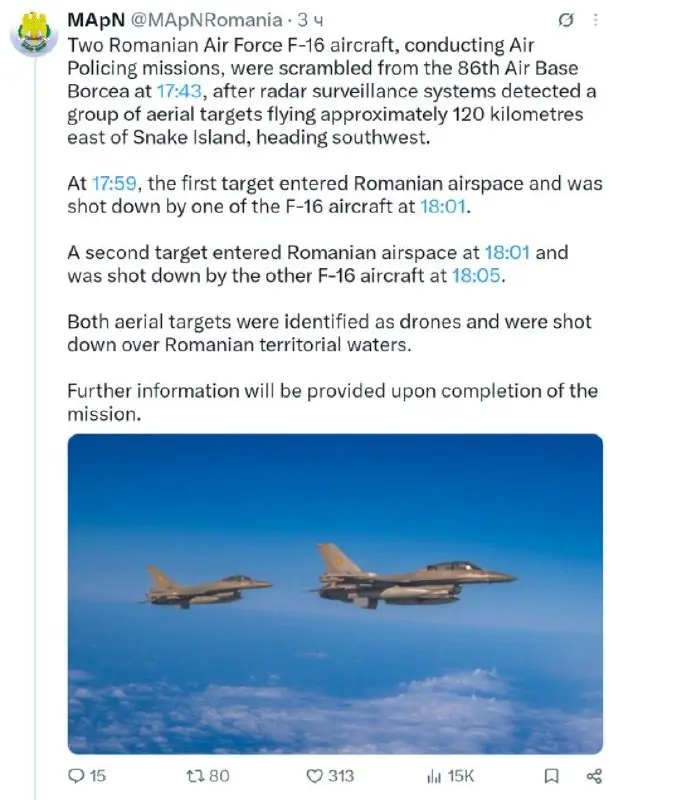
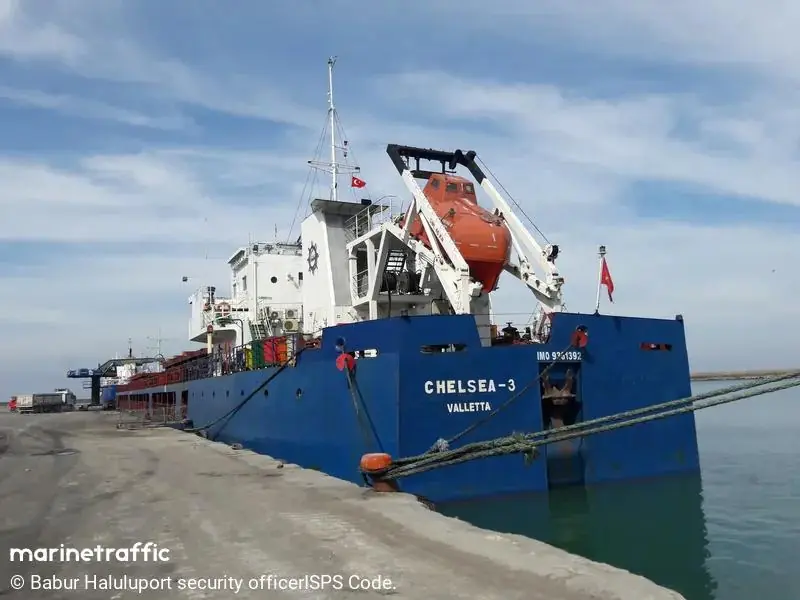
NATO announced the deployment of additional forces and assets to the Black Sea for surveillance and forensics following UAV and drone attacks on merchant vessels near Romania and Bulgaria. Two drones were destroyed on Oct 17 by Romanian F-16s over Sulina waters. Bulgaria requested allied aviation and air defense support.From the posts
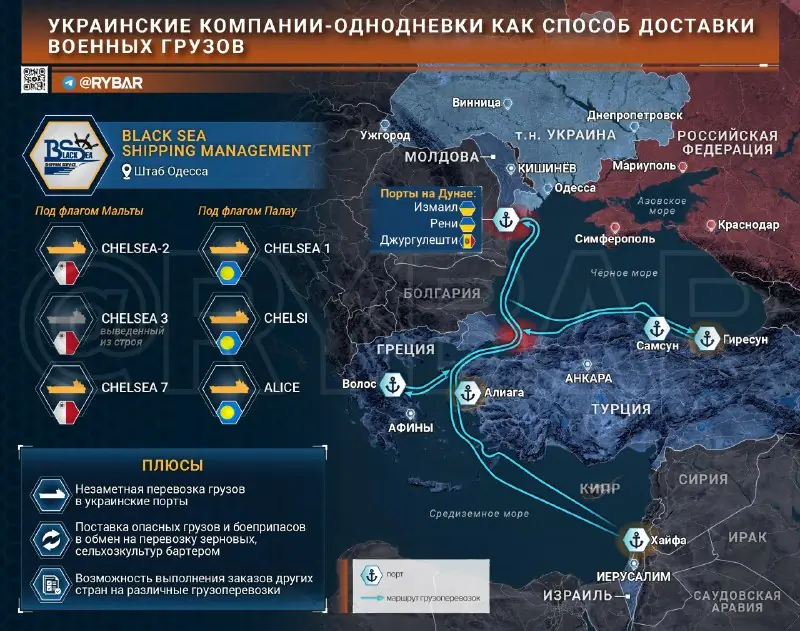
map Rybar in EnglishC
- Two drones destroyed Oct 17 by Romanian F-16s over Sulina waters. Bulgaria requested allied aviation/air defense. Rybar in English C
- Two drones destroyed Oct 17 by Romanian F-16s over Sulina waters. Bulgaria requested allied aviation/air defense. Rybar in English C
Still unknown The exact composition and duration of the NATO deployment.
China Watch
Russian milbloggers and state channels are heavily emphasizing diplomatic engagement with Beijing, focusing on a proposed trilateral summit in Shenzhen involving Putin, Trump, and Xi Jinping to discuss Ukraine, while highlighting record trade volumes and energy infrastructure projects. On the military-industrial front, they report on Chinese export controls for drones and AI, the integration of Chinese components in Russian weapons like the 'Filin' missile, and the transfer of Russian drone-launcher technology to China's Norinco. The narrative also covers Chinese advancements in AI, orbital computing, and robotics, framing them as strategic partners in a multipolar order, though some voices warn of growing Russian dependency on Beijing.
CounterpointsUkrainian and Western sources contradict Russian diplomatic optimism by noting Ukraine's rejection of any trilateral deal excluding Kyiv and highlighting US congressional opposition to the proposed summit. Furthermore, Western intelligence and Ukrainian reports confirm the transfer of Russian drone-launcher technology to China's Norinco and the presence of Chinese components in Russian weapons, validating Russian milblogger claims of deepening military-technical ties but framing them as sanctions evasion and technology theft rather than strategic partnership.
Reports of Chinese people in Russia, occupied Ukraine or Belarus — soldiers, advisers, instructors, technical specialists — as against Chinese parts and deliveries, which are tracked under China below. Every item is shown with its grade. Single, unconfirmed claims are included on purpose: a grade of 4–6 means one source we do not rate as reliable. Judge them as claims, not as established fact.
- B3 1 independent origin UA · friendly
Russia demonstrates drone tactics to Chinese observers at Center-2026
The Telegraph reports that Russia used the Center-2026 exercises in Chelyabinsk to demonstrate drone tactics to Chinese military observers, sharing combat experience from the Ukraine war.
Items stay here for 30 days, then move to the China watch archive, where they are kept permanently — 3 so far.
Russian milblogger trend watch
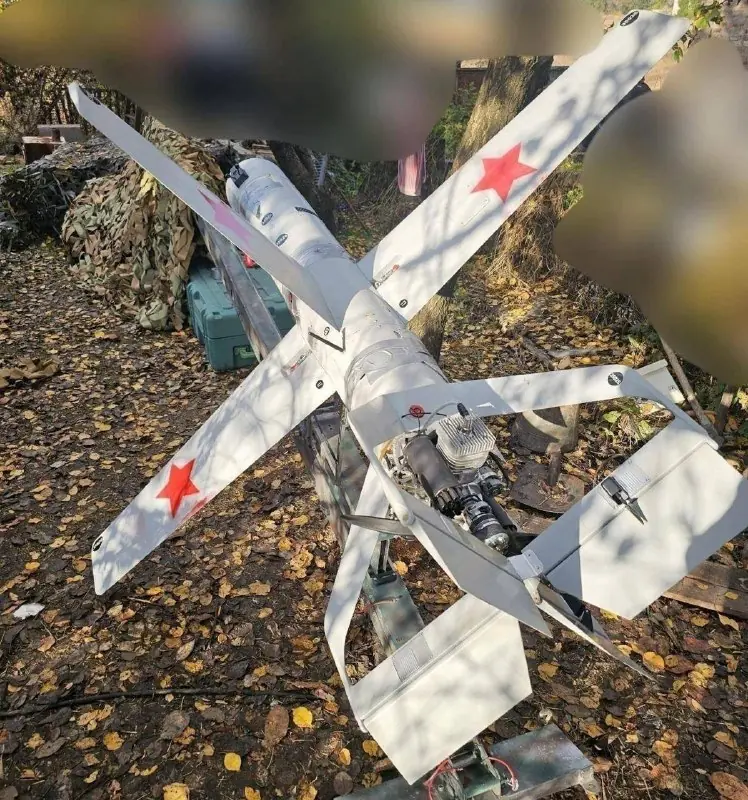
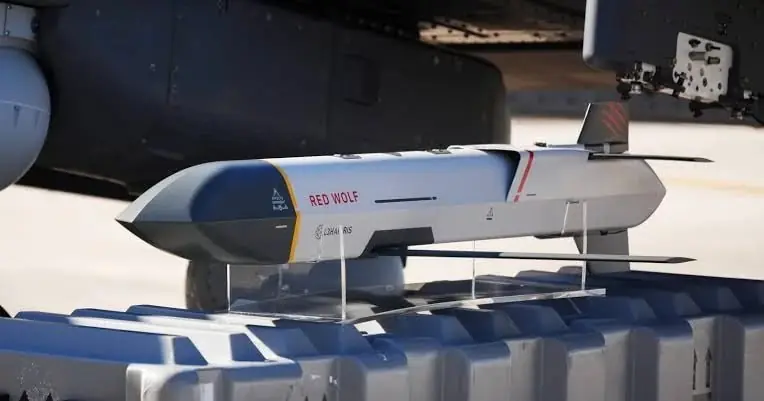
Russian milbloggers are increasingly framing AI and machine vision as the critical enablers for terminal guidance, particularly in the context of the new Lancet 'Product 51' loitering munition which is reported to have successfully engaged a Ukrainian Bogdana-B howitzer in the Sumy region. While they claim these systems offer robust target recognition, they concede that true autonomy is still constrained by the availability of high-precision domestic components, noting that the new 'Filin' cruise missile still relies on a mix of US, European, and Chinese electronic parts. The narrative suggests that onboard neural networks are effectively used for last-mile target acquisition, allowing operators to maintain situational awareness even when video feeds are degraded by electronic warfare, though they admit that the hardware lag compared to Western systems remains a persistent bottleneck for mass deployment.
Loud right nowRussian milbloggers are increasingly alarmed by the scale and sophistication of Ukrainian drone attacks on Moscow and other key Russian cities, with reports of 155 drones launched in a single night and significant damage to infrastructure. This has led to a heightened focus on air defense and counter-drone systems, particularly the new F-1 interceptor drone, which is being touted as a key solution to the growing drone threat. The milbloggers are also closely monitoring the diplomatic situation, with reports of potential trilateral talks between Russia, the US, and Ukraine, and the role of key figures like Trump and Musk in shaping the conflict.
Expand analysis →
Collapse ↑
What Russian milbloggers are saying — their claims and mood, not confirmed fact.
Autonomy & AI at the edge
Russian milbloggers are increasingly framing AI and machine vision as the critical enablers for terminal guidance, particularly in the context of the new Lancet ‘Product 51’ loitering munition which is reported to have successfully engaged a Ukrainian Bogdana-B howitzer in the Sumy region. While they claim these systems offer robust target recognition, they concede that true autonomy is still constrained by the availability of high-precision domestic components, noting that the new ‘Filin’ cruise missile still relies on a mix of US, European, and Chinese electronic parts. The narrative suggests that onboard neural networks are effectively used for last-mile target acquisition, allowing operators to maintain situational awareness even when video feeds are degraded by electronic warfare, though they admit that the hardware lag compared to Western systems remains a persistent bottleneck for mass deployment.
EW vs counter-EW & fiber-optic drones
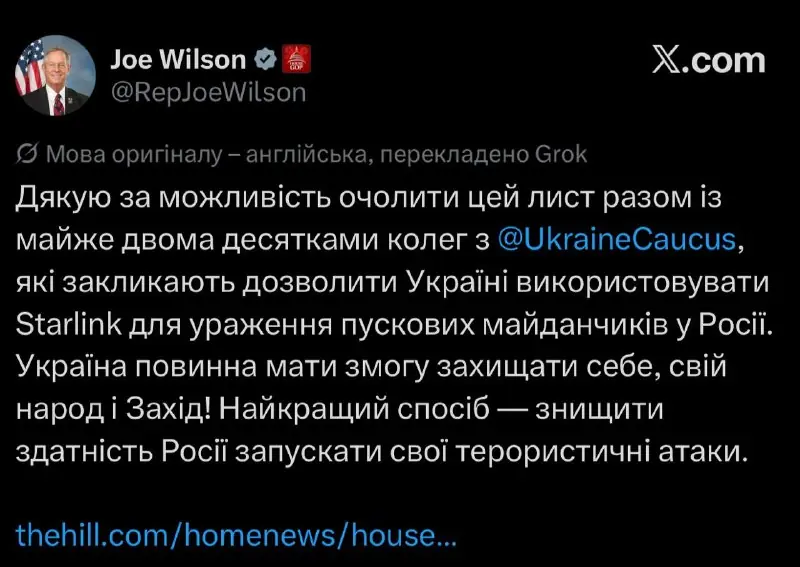
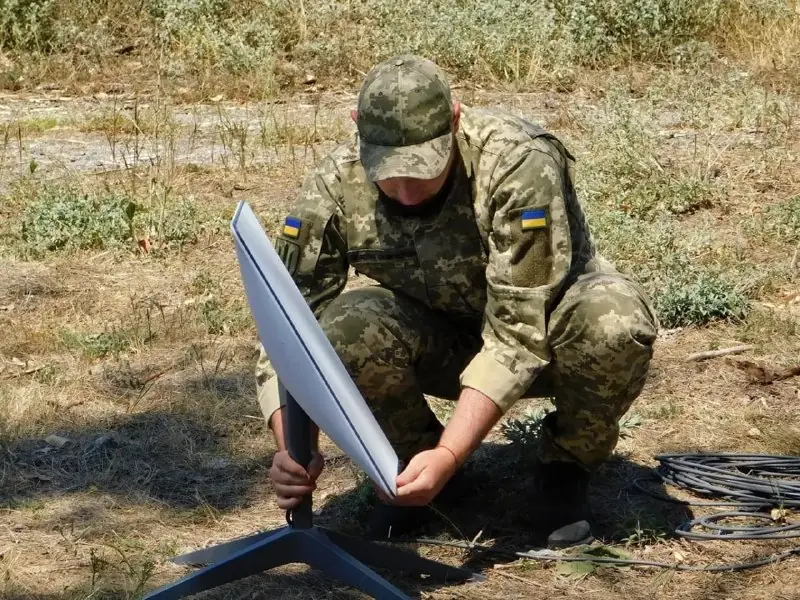
The effectiveness of Russian electronic warfare is being contested, with prominent milbloggers like Rybar arguing that recent drops in Ukrainian drone strikes are due to severe weather conditions rather than successful jamming or Starlink restrictions. They claim that Ukrainian operators are abandoning Starlink terminals due to dissatisfaction with service restrictions, although this is countered by reports that the US has restored full military-grade Starlink speeds following direct intervention from President Trump. Despite these connectivity improvements, Russian forces are reportedly adapting by relying on fiber-optic drones and tactical relays to bypass jamming nets, with some units employing Raspberry Pi-based transparent modems to extend the range of FPV attacks. The milbloggers acknowledge that while EW can disrupt communications, it is not a silver bullet, and Ukrainian drone operators are increasingly using weather-resistant, heavier platforms that are less susceptible to wind and jamming.
Counter-drone / interception
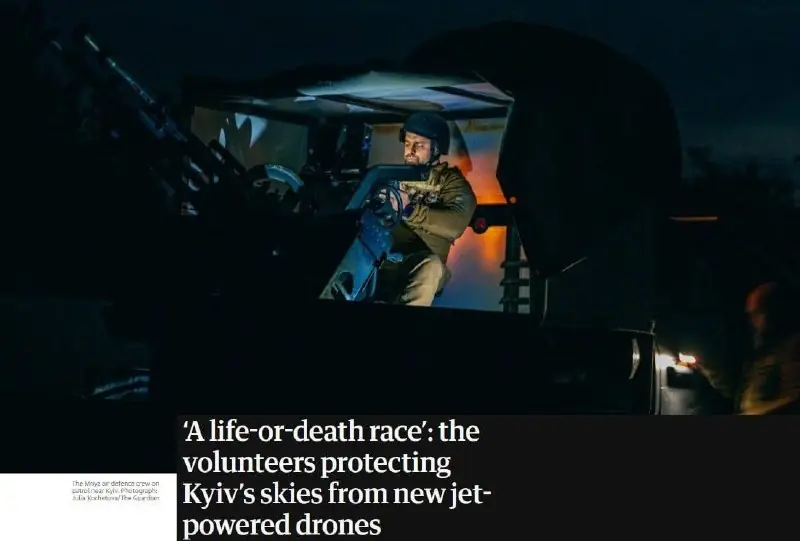
Interceptor drones are emerging as the central theme in Russian air defense, with the GRV ‘Center’ unit claiming that the new F-1 interceptor drone has destroyed over 20 Ukrainian drones in just four days in the Dnipro direction. Milbloggers emphasize the economic viability of these interceptors compared to traditional SAMs, highlighting their ability to engage fast, low-flying targets like the PD-2 and Rubaka with high stability. The narrative also points to the integration of these interceptors with broader air defense networks, suggesting a shift towards a more layered and autonomous defense strategy against the increasing volume of Ukrainian drone attacks. This development is seen as a significant step forward in Russia’s ability to counter the drone threat, although some analysts remain skeptical about the long-term sustainability of such systems given the ongoing challenges in domestic production and component availability.
Production, components & supply chain
Russian milbloggers are highlighting the ongoing challenges in domestic production and supply chain resilience, particularly in the context of high-precision components and electronics. They note that while there has been some progress in domestic manufacturing, such as the growth in the machine tool market and the development of new CNC lathes, the reliance on foreign components remains a significant vulnerability. This is exemplified by the ‘Filin’ cruise missile, which still uses a mix of US, European, and Chinese parts, and the cancellation of a contract for domestic silicon wafers due to production failures. The milbloggers suggest that these constraints are a major bottleneck for the mass deployment of advanced drone and AI systems, and that Russia will need to continue relying on foreign suppliers and smuggling networks to meet its military needs.
Tactics & employment
Russian milbloggers are detailing a range of new tactics and employment strategies for drones and loitering munitions, including the use of ‘mothership’ relays, swarms, and underground launch platforms. They report on the successful use of Geran drones to strike high-value targets such as bridges, power plants, and naval drone bases, as well as the integration of drones with artillery and mechanized units for close support. The milbloggers also highlight the use of Soviet-era pipes for underground drone launches and the deployment of ground drones with explosives into tunnels to bypass Ukrainian defenses. These tactics are seen as a response to the increasing effectiveness of Ukrainian air defense and electronic warfare, and suggest a growing sophistication in Russian drone operations.
Ground & naval robotics
Russian milbloggers are reporting on the increasing use of ground and naval robotics in the conflict, including the deployment of unmanned ground vehicles (UGVs) for logistics and assault, and the use of unmanned surface vehicles (USVs) for naval operations. They highlight the successful use of naval drones to strike Ukrainian ports and cargo ships, as well as the deployment of UGVs to support frontline troops in urban and trench warfare. The milbloggers suggest that these systems are becoming an integral part of Russian military operations, although they also note the challenges in mass production and the vulnerability of these systems to electronic warfare and counter-drone measures.
Named systems & programmes
Russian milbloggers are frequently referencing specific systems and programmes, including the Lancet ‘Product 51’ loitering munition, the Geran-2 and Geran-4 drones, the ‘Filin’ cruise missile, and the F-1 interceptor drone. They provide detailed technical analysis of these systems, including their range, payload, and guidance capabilities, and compare them to Ukrainian and Western equivalents. The milbloggers also highlight the development of new counter-drone systems, such as the Rubikon centre, and the integration of these systems with broader air defense networks. This focus on specific systems suggests a growing interest in the technical details of the drone war, and a desire to understand the capabilities and limitations of both Russian and Ukrainian systems.
Offensive/defensive balance & morale
Russian milbloggers are generally optimistic about the offensive capabilities of Russian drones and loitering munitions, highlighting their success in striking high-value targets and disrupting Ukrainian logistics. However, they also acknowledge the challenges in defending against Ukrainian drone attacks, particularly in the Moscow region and other key areas. The milbloggers suggest that the balance of power is shifting in Russia’s favor, due to the increasing sophistication of Russian drone operations and the effectiveness of Russian air defense systems. However, they also express concern about the long-term sustainability of these operations, given the ongoing challenges in domestic production and the vulnerability of Russian systems to electronic warfare.
Attention to the Netherlands
Russian milbloggers are paying close attention to Dutch military aid to Ukraine, particularly the provision of F-16s and Patriot air defense systems. They view these systems as a significant threat to Russian air operations, and are closely monitoring their deployment and effectiveness. The milbloggers also highlight the role of Dutch companies in the production of military equipment, and suggest that the Netherlands is playing a key role in supporting Ukraine’s war effort. This attention reflects the broader Russian concern about the increasing involvement of NATO countries in the conflict, and the potential for a wider war.
Attention to Germany
Russian milbloggers are closely tracking German military aid to Ukraine, including the provision of Taurus cruise missiles, IRIS-T air defense systems, and Leopard tanks. They view these systems as a major escalation in the conflict, and are concerned about their potential impact on the battlefield. The milbloggers also highlight the role of German companies in the production of military equipment, and suggest that Germany is playing a key role in supporting Ukraine’s war effort. This attention reflects the broader Russian concern about the increasing involvement of NATO countries in the conflict, and the potential for a wider war.
- ↑ Autonomy & AI at the edge — Increased focus on AI terminal guidance for Lancet and Filin systems.
- → EW vs counter-EW & fiber-optic drones — Continued debate on EW effectiveness vs weather/Starlink factors.
- ↑ Counter-drone / interception — F-1 interceptor drone claims gaining traction in milblogger narratives.
- ↓ Production, components & supply chain — Growing concern over domestic component shortages and reliance on imports.
- ↑ Tactics & employment — New tactics like underground launches and swarm coordination being highlighted.
- ↑ Ground & naval robotics — Increased reporting on UGV and USV deployment and effectiveness.
- → Named systems & programmes — Consistent focus on specific systems like Lancet, Geran, and Filin.
- → Offensive/defensive balance & morale — Optimism on offensive drone capabilities, concern on defensive vulnerabilities.
- ↑ Attention to the Netherlands — Increased focus on Dutch F-16 and Patriot aid to Ukraine.
- ↑ Attention to Germany — Heightened concern over German Taurus and Leopard aid to Ukraine.
Foreign support for Russia's war
China
Russian milbloggers and state channels are heavily emphasizing diplomatic engagement with Beijing, focusing on a proposed trilateral summit in Shenzhen involving Putin, Trump, and Xi Jinping to discuss Ukraine, while highlighting record trade volumes and energy infrastructure projects. On the military-industrial front, they report on Chinese export controls for drones and AI, the integration of Chinese components in Russian weapons like the 'Filin' missile, and the transfer of Russian drone-launcher technology to China's Norinco. The narrative also covers Chinese advancements in AI, orbital computing, and robotics, framing them as strategic partners in a multipolar order, though some voices warn of growing Russian dependency on Beijing.
NamedXi Jinping ×28Li Qiang ×4Taiwan ×3Geely ×2Shenzhen NuanQin Technology ×2Wang Yi ×2ADAspace ×1Beijing Yufeng Flight Technology ×1CNPC ×1Chinese Jetson-class compute ×1Chinese People's Liberation Army ×1DJI ×1Expand →
Collapse ↑
China
Russian channels' claims and tone about China — not confirmed fact; friendly sources in green.
- Trilateral Diplomacy — Russian channels report on Putin's proposal for a November summit in Shenzhen with Trump and Xi to negotiate Ukraine, with mixed reactions from US and Chinese officials.
- Trade and Energy — Reports highlight $180-214 billion in trade and the 'Power of Baikal' gas route, portraying China as a critical economic lifeline despite Western sanctions.
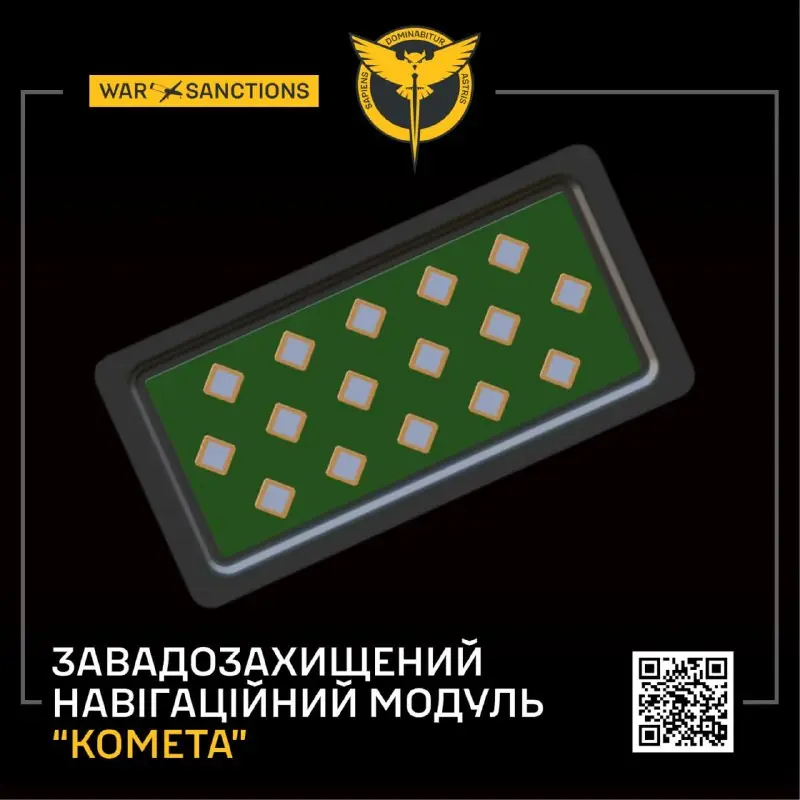
- Dual-Use and Components — Analysis of Chinese components in Russian weapons, new export controls on drones and AI, and allegations of grey supply chains bypassing neutrality.
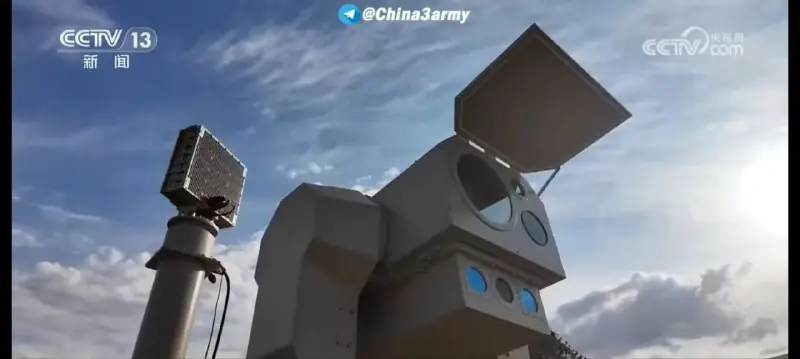
- Technology and AI — Coverage of Chinese orbital computing satellites, laser anti-drone systems, and humanoid robots, often contrasting Chinese innovation with Russian needs.
- Military-Technical Cooperation — Claims of Russian technology transfers to China's Norinco and Chinese observers learning from Russian combat experience in Ukraine.
- Xi Jinping person
- Chinese leader proposed for trilateral summit with Putin and Trump in Shenzhen.
- Li Qiang person
- Chinese Premier met with Putin in St. Petersburg to discuss trade and energy.
- Taiwan politics
- Context for Chinese drone developments and military exercises.
- Geely company
- Mentioned in context of Chinese rental cars in NATO exercises.
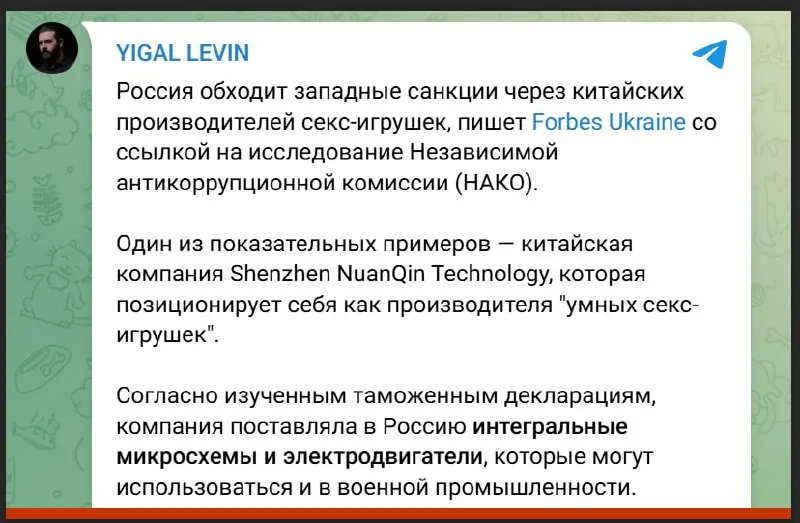
- Shenzhen NuanQin Technology company
- Named entity in diplomatic or tech context.
- Wang Yi person
- Chinese FM met with Lavrov in Baku.
- ADAspace company
- Chinese company that launched 'Star Computing' satellites for AI training.
- Beijing Yufeng Flight Technology company
- Named entity in tech or drone context.
- CNPC company
- Partner with Gazprom on the 'Power of Baikal' gas route.
- Chinese Jetson-class compute system
- Referenced in context of AI and computing infrastructure.
- Chinese People's Liberation Army company
- Referenced regarding laser anti-drone systems and nuclear submarine operations.
- DJI company
- Named entity in drone context.
CounterpointsUkrainian and Western sources contradict Russian diplomatic optimism by noting Ukraine's rejection of any trilateral deal excluding Kyiv and highlighting US congressional opposition to the proposed summit. Furthermore, Western intelligence and Ukrainian reports confirm the transfer of Russian drone-launcher technology to China's Norinco and the presence of Chinese components in Russian weapons, validating Russian milblogger claims of deepening military-technical ties but framing them as sanctions evasion and technology theft rather than strategic partnership.
Iran
Russian milbloggers and state channels are highlighting a deepening strategic alignment with Iran, framing it as a critical pillar of Moscow's global resistance against Western hegemony. Reports emphasize high-level diplomatic engagement, including Foreign Minister Lavrov's visit to Tehran, where officials claimed unprecedented cooperation on economic, nuclear, and regional security issues. The narrative also focuses on Iran's military activities, such as strikes on US assets in Kuwait and the Strait of Hormuz, as well as domestic defense exercises, while simultaneously downplaying or denying direct Russian complicity in these actions.
NamedIRGC ×4Abbas Araghchi ×2Ali Bagheri Kani ×2Masoud Pezeshkian ×23rd Khordad ×1Abbas Arakchi ×1Iranian Revolutionary Guard ×1Islamic Revolutionary Guard Corps ×1Mohammad Pezeshkian ×1Expand →
Collapse ↑
Iran
Russian channels' claims and tone about Iran — not confirmed fact; friendly sources in green.
- Diplomatic Deepening — Lavrov's Tehran visit and claims of closest-ever ties with FM Araghchi and President Pezeshkian.
- Strait of Hormuz Escalation — Russian channels report Iranian strikes on US ships and threats to shipping lanes, framing them as responses to US pressure.
- Military Cooperation & Aid — Claims of Russian missile supplies and technical assistance to Iran, alongside Iranian air defense deployments.
- Regional Proxy Warfare — Coverage of Iranian drone strikes on Kurdish targets in Iraq and Houthi attacks in Yemen, linked to broader anti-Western efforts.
- Economic Leverage — Reports on Russian grain and tech exports to Iran, offsetting oil revenue losses and increasing Iranian dependency.
- IRGC company
- Cited as claiming downing of US drones and conducting strikes; framed as a key military actor in Iran's regional aggression.
- Abbas Araghchi person
- Iranian FM; quoted by Russian channels as confirming close cooperation with Moscow and discussing regional issues.
- Ali Bagheri Kani person
- Named in entity list but not explicitly detailed in the provided cards; likely referenced in broader diplomatic context.
- Masoud Pezeshkian person
- Iranian President; mentioned in context of high-level talks with Lavrov and expected visits to Moscow.
- 3rd Khordad system
- Iranian air defense system spotted in Tehran; used to illustrate Iran's domestic military readiness and potential export/deployment capabilities.
- Abbas Arakchi person
- Variant spelling of Abbas Araghchi; cited in Russian posts regarding bilateral negotiations.
- Iranian Revolutionary Guard company
- Referenced in context of drone attacks and regional operations; often conflated with IRGC in reporting.
- Islamic Revolutionary Guard Corps company
- Full name used in reports regarding drone losses and strategic threats to US interests.
- Mohammad Pezeshkian person
- Variant spelling of Masoud Pezeshkian; mentioned in diplomatic contexts.
CounterpointsWestern and Ukrainian sources contradict Russian claims of limited involvement by citing Bloomberg reports that Russia is actively resupplying Iran with missiles and providing technical info for drone improvements, including the Arash-3. Additionally, Western intel suggests Iran has preserved significant production capacity despite strikes, and reports indicate Russian offers to deploy Su-35s and S-400s to Iran, challenging the narrative of mere diplomatic ties. Russian claims of Iranian strikes on US camps are also contextualized by Western reports of broader Houthi/Iranian coordination in the region, rather than isolated incidents.
North Korea
Russian milbloggers and state channels are actively promoting the narrative that North Korean troops participated in the liberation of the Kursk region and infrastructure restoration, while confirming the deployment of Hwasong-11A (KN-23) ballistic missiles in combat strikes. The tone emphasizes a deepening strategic partnership, highlighted by diplomatic exchanges and Kim Jong Un’s congratulations to Vladimir Putin, alongside claims of North Korean defense industry expansion. Ukrainian and Western sources counter these claims by detailing specific combat losses of North Korean equipment, exposing forced labor arrangements, and documenting the diplomatic fallout from the public disclosure of captured North Korean soldiers.
NamedKim Jong Un ×5Cham-2.0 ×1Chonma-2 ×1Hwasong-16B ×1KN-23 ×1Kim Yo Jong ×1Paekyangsan Shipping ×1Pukguksong-3 ×1Ri Son Jin ×1South Korea ×1Yoon Suk Yeol ×1Expand →
Collapse ↑
North Korea
Russian channels' claims and tone about North Korea — not confirmed fact; friendly sources in green.
- Combat Deployment and Equipment — Russian channels confirm KN-23 missile strikes and claim North Korean troops fought in Kursk, while Ukrainian forces report destroying North Korean Koksan howitzers.
- Diplomatic Friction and POWs — South Korea recalled diplomatic staff after Ukraine publicly disclosed the transfer of captured North Korean soldiers, violating confidentiality agreements.
- Strategic Partnership and Aid — Russian officials thank Pyongyang for support, while reports indicate South Korea supplied fuel to Russia via complex shipping routes to bypass sanctions.
- North Korean Military Modernization — Pyongyang showcases new systems like the Hwasong-16B and Cham-2.0 torpedo, signaling continued development and potential supply capabilities.
- Forced Labor and Industrial Support — Western intelligence alleges North Korean laborers are producing Shahed drones at Russian facilities, deepening the economic and military tie.
- Kim Jong Un person
- Congratulated Putin and oversaw missile tests and museum openings.
- Hwasong-16B system
- Tested by North Korea with hypersonic glide capabilities; displayed in a new museum.
- KN-23 system
- Identified as Hwasong-11A; confirmed used in strikes on Zaporizhzhia and Kyiv region.
- Cham-2.0 system
- AI-guided torpedo tested by North Korea with claimed high effectiveness.
- Chonma-2 system
- Tank displayed in North Korean museum with reported heavy armor specifications.
- Pukguksong-3 system
- Submarine-launched ballistic missile mentioned in museum displays and tests.
- Paekyangsan Shipping company
- Linked to South Korean fuel shipments to Russia via ship-to-ship transfers.
- Kim Yo Jong person
- Reported to be considering deploying additional tactical missiles along the South Korean border.
- Ri Son Jin person
- Named in entity list but not explicitly detailed in the provided cards.
- Yoon Suk Yeol person
- South Korean President associated with the diplomatic recall and protests.
- South Korea politics
- Recalled diplomatic staff and protested Ukraine's disclosure of POWs; supplied fuel to Russia.
CounterpointsUkrainian and Western sources contradict Russian claims of successful North Korean integration by reporting the destruction of North Korean Koksan self-propelled howitzers and infantry by Ukraine's 60th Brigade. While Russian channels frame the presence as a strategic partnership for liberation, Western intelligence alleges 12,000 North Korean forced laborers are producing Shahed drones at the Alabuga plant, and Ukrainian officials highlight the diplomatic scandal caused by the public disclosure of captured North Korean soldiers.
Neighbourhood watch
The Netherlands
Russian milbloggers are highlighting the Netherlands' deepening military and political entanglement, focusing on the depletion of Dutch stockpiles due to aid commitments and the transfer of arms contracts to private firms. They also report on Dutch F-35A participation in NATO nuclear exercises and political tensions, including the Defence Minister labeling Russia an enemy and demands for ICC official extraditions. The narrative frames these actions as evidence of NATO's unsustainable readiness and aggressive posturing, while Ukrainian sources confirm Dutch naval contributions to mine countermeasure operations.
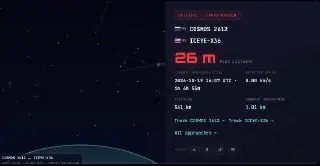
NamedThales ×3Ursula von der Leyen ×3ICEYE ×2Mark Rutte ×2Anduril Industries ×1Annabel Nanninga ×1Aurexys ×1DTS Armory ×1F-16 ×1F-35A ×1FN Herstal ×1Harmattan AI ×1Expand →
Collapse ↑
The Netherlands
Russian channels' claims and tone about The Netherlands — not confirmed fact; friendly sources in green.
- Stockpile Depletion — Russian channels claim Dutch MoD admits aid to Ukraine has depleted artillery and air defence stocks, impacting NATO readiness.
- Contract Controversy — Reports allege Dutch MoD transferred arms contracts to Aurexys after DTS Armory license revocation, sparking political scandal.
- NATO Integration — Dutch F-35As are noted participating in NATO Steadfast Noon exercises with Swedish and German forces.
- Political Hostility — Russian posts cite Dutch Defence Minister calling Russia an enemy and demands for ICC official extraditions.
- Naval Support — Dutch mine countermeasure vessels are confirmed active in Lion Protector exercises with UK forces.
- Aurexys company
- Alleged recipient of Dutch MoD arms contracts transferred from DTS Armory.
- DTS Armory company
- Company whose license was revoked, leading to contract transfer to Aurexys.
- F-35A system
- Dutch fighter jets participating in NATO Steadfast Noon nuclear exercises.
- Annabel Nanninga person
- Dutch MP calling the arms contract transfer scandalous.
- Thales company
- Presenting HexaForce C2 system as a European alternative to US platforms.
CounterpointsRussian claims of Dutch stockpile depletion and contract scandals are not contradicted by the provided Ukrainian/Western sources, which instead confirm Dutch naval involvement in mine countermeasure exercises. The Ukrainian sources do not address the specific political allegations regarding Aurexys or the Defence Minister's statements, leaving those as unverified Russian narratives.
Germany
Russian milbloggers are intensifying their focus on Germany, framing it as the primary financial and logistical backbone of Ukraine's war effort while simultaneously highlighting domestic political fractures and security vulnerabilities. Claims range from Berlin's exhaustion of air defense stocks and the diversion of climate funds to military spending, to allegations of a significant sabotage threat involving drones near key infrastructure. The narrative blends genuine concerns about German industrial capacity with propaganda efforts to undermine NATO cohesion and portray German leadership as isolated or economically strained.
NamedFriedrich Merz ×26Rheinmetall ×7August Hanning ×5Ursula von der Leyen ×4AfD ×3Airbus ×3Alice Weidel ×3Bundeswehr ×3Der Spiegel ×3Flugabwehrkanonenpanzer Gepard ×3Johann Wadephul ×3KNDS ×3Expand →
Collapse ↑
Germany
Russian channels' claims and tone about Germany — not confirmed fact; friendly sources in green.
- Financial and Logistical Burden — Russian channels claim Germany is bearing the sole financial burden for Ukrainian arms as the US withdraws, while also diverting billions from climate initiatives to military needs.
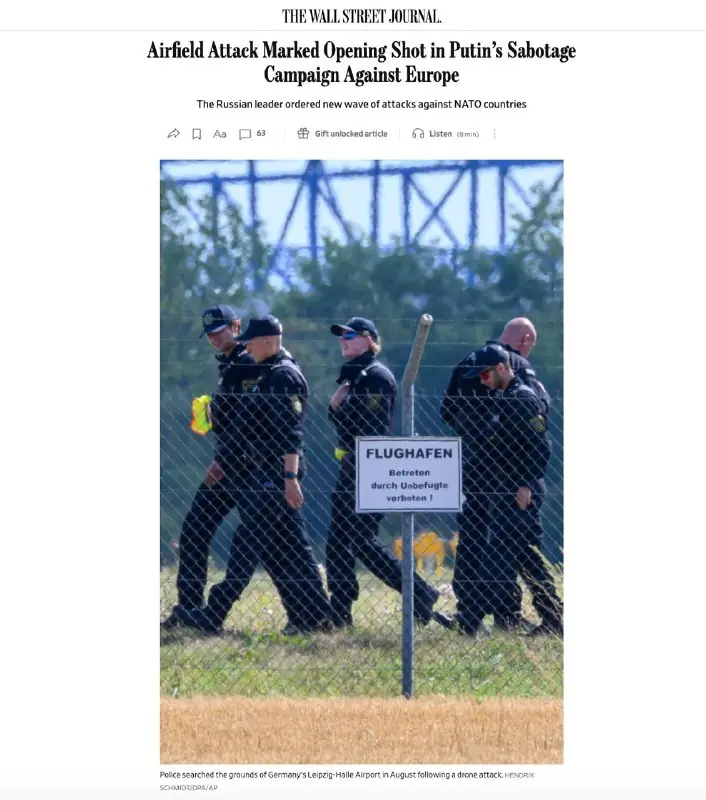
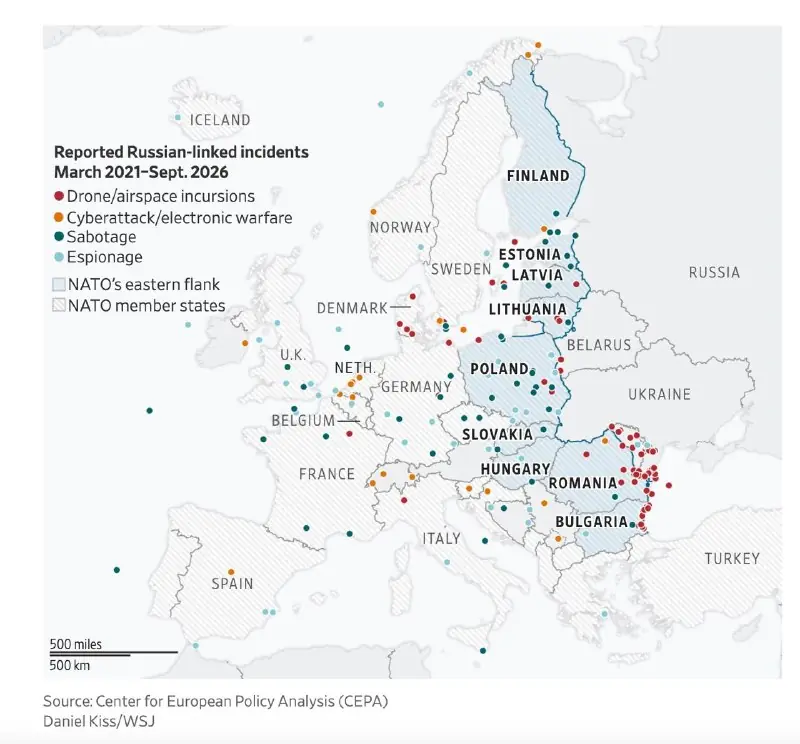
- Sabotage and Security Threats — Reports highlight a reclassification of drone sabotage threats to 'significant' levels, citing incidents near Leipzig/Halle airport and Wunstorf base as evidence of Russian hybrid warfare.
- Industrial and Military Production — German defense firms like KNDS and Rheinmetall are cited for expanding production capacities in Norway and Romania, and developing advanced systems like the Freyja air defense and unmanned howitzers.
- Political Fragmentation and Leadership — Chancellor Friedrich Merz is portrayed as facing high dissatisfaction and isolation, with the AfD and other factions criticizing his policies and warning of Russia's growing influence.
- NATO and Regional Tensions — German military presence in the Baltics and exercises are framed as provocative, with claims of historical ambitions and potential friction with Poland.
- Friedrich Merz person
- Portrayed as the primary German political figure, facing 88% dissatisfaction, warning of Russian influence, and claiming the US has ceased funding Ukraine.
- Rheinmetall company
- Cited for winning contracts in Romania and competing with US IFVs, highlighting German industrial expansion.
- KNDS company
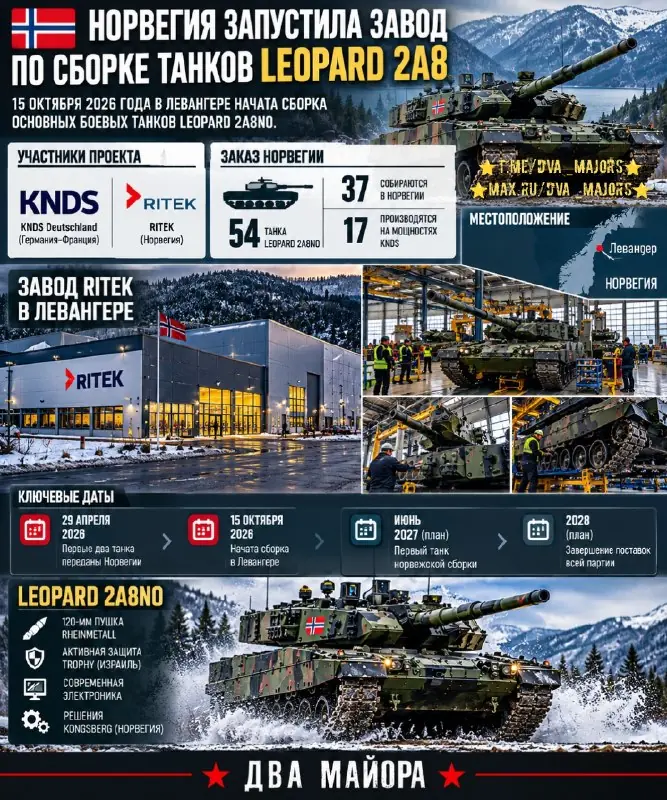
- Noted for opening a Leopard 2A8NO assembly plant in Norway and developing unmanned RCH 155 howitzers.
- Alice Weidel person
- AfD leader cited for claiming Germany is the main financial sponsor of Ukraine, undermining national security.
- Armin Laschet person
- Bundestag Foreign Affairs Committee chair cited as stating Germany has exhausted its capacity to supply air defense systems.
- Bundeswehr company
- Referenced in the context of drone sabotage threats near bases and completing digital command system trials.
- Diehl company
- Mentioned as a partner in the Freyja air defense system, with production targets threatened by Russian strikes.
- Hensoldt company
- Cited as a partner in the Freyja air defense system and involved in components found in Russian weapons.
- Quantum Systems company
- Noted for developing the Apex Recordhunter interceptor to counter Russian Geran-5 drones.
- Airbus company
- Cited for testing the U740-Valkyrie drone with autonomous swarm coordination capabilities.
CounterpointsUkrainian and Western sources confirm German industrial expansion and financial burden but contradict the narrative of total exhaustion or isolation. Specifically, Western reports confirm the August drone attack on Leipzig-Halle was a Russian sabotage campaign, validating German security concerns, while also noting that Germany is considering alternative fighter jet partnerships rather than being solely focused on Ukraine. Additionally, Ukrainian sources highlight German contributions to air defense components and digital command systems, suggesting continued active involvement rather than the withdrawal implied by some Russian claims.
The Baltics
Russian milbloggers and state channels are intensifying narratives of Baltic sabotage and airspace violations, specifically alleging Ukrainian drones used Lithuanian and Polish corridors to strike St. Petersburg and Leningrad Oblast. Reports highlight increased border fortifications, checkpoint closures, and Russian military posturing in the Narva and Suwałki regions, while simultaneously amplifying claims of arson attacks on Starlink infrastructure in Lithuania as evidence of Western destabilization. The tone is increasingly alarmist, framing Baltic defense upgrades and NATO exercises as direct threats to Russian security and potential pretexts for conflict.
NamedMindaugas Sinkevicius ×9Gitanas Nausėda ×8Kaja Kallas ×8Robertas Kaunas ×4Margus Tsahkna ×3Martin Herem ×3ERR ×2Janis Dombrava ×2Martynas Katelynas ×2Raivis Melnis ×215min ×1Artis Pabrikis ×1Expand →
Collapse ↑
The Baltics
Russian channels' claims and tone about The Baltics — not confirmed fact; friendly sources in green.
- Drone Incursions and Sabotage Claims — Russian channels allege Ukrainian drones penetrated Lithuanian and Polish airspace to strike Russian targets, citing debris in Pasvalys and arson at Starlink sites as proof of coordinated hybrid warfare.
- Border Regime and Checkpoint Restrictions — Rosgranstroy reports operational changes at Estonia-Russia crossings, including winter time adjustments and closures, while highlighting FSB and military movements in Narva and Ivangorod districts.
- NATO Posture and Military Buildup — Analysts warn of NATO upgrading battlegroups to brigades in Latvia and Lithuania, with specific focus on German and Canadian forces, and claim Russia is deploying nuclear assets and radar systems in Kaliningrad.
- Baltic Defense Industrial Expansion — Reports detail Lithuanian and Latvian efforts to localize production of arms, ammunition, and counter-drone systems, framed by Russian sources as direct support for the war effort.
- Electronic Warfare and GPS Jamming — Russian sources highlight widespread GPS jamming incidents in the Baltics and claim Baltic airspace is being used for electronic attacks against Russian cities.
- Mindaugas Sinkevicius person
- Lithuanian PM cited in claims regarding drone incursions and Starlink sabotage
- Gitanas Nausėda person
- Lithuanian President mentioned in diplomatic and defense context
- Raivis Melnis person
- Latvian MoD official cited regarding border detection systems
- Margus Tsahkna person
- Estonian FM cited regarding military aid to Ukraine
- Martin Herem person
- Estonian Defence Minister cited regarding GMLRS and ATACMS deliveries
- Robertas Kaunas person
- Lithuanian MoD official cited regarding drone alerts
- Rheinmetall company
- German defense contractor noted for ammunition factory expansion in Lithuania
- Patria company
- Latvian firm cited for producing APCs and assembling IFVs
- Starlink system
- Cited as target of alleged arson attacks in Lithuania and Poland
- AN/TPS-77 system
- US radar system installed in Lithuania, noted for NATO integration
CounterpointsUkrainian and Western sources contradict Russian claims of drone origins, with Lithuania stating evidence points to a Polish launch site while Poland denies involvement. Western reports confirm the Starlink arson attempts but attribute them to broader sabotage trends rather than confirming Russian involvement, while also noting Russian plans for false flag operations to destabilize the region.
Poland
Russian milbloggers are highlighting a sharp deterioration in Polish-Ukrainian relations, claiming Warsaw has suspended major military aid packages to Kyiv following Lviv's declaration of 2027 as the Year of the UPA, a narrative heavily amplified by pro-Kremlin channels. Concurrently, Russian observers are tracking Poland's rapid military buildup near Kaliningrad, including the receipt of South Korean K2 Black Panther tanks and the deployment of NATO forces, while also reporting on Polish air defense alerts triggered by spillover from strikes on western Ukraine. The tone is increasingly focused on Polish internal political friction, diplomatic isolation, and resource constraints, such as the claimed depletion of Patriot interceptor stocks.
NamedDonald Tusk ×12Radosław Sikorski ×11Wladyslaw Kosiniak-Kamysz ×3Władysław Kosiniak-Kamysz ×3Defence24 ×1HMS Södermanland ×1Janusz Seymiej ×1KYNTEQ ×1Karol Nawrocki ×1Kosiniak-Kamysz ×1Leszek Miller ×1Marcin Kozak ×1Expand →
Collapse ↑
Poland
Russian channels' claims and tone about Poland — not confirmed fact; friendly sources in green.
- Aid Suspension and Diplomatic Friction — Russian channels claim Poland halted military aid to Ukraine due to historical disputes over UPA glorification in Lviv.
- Kaliningrad Border Militarization — Reports focus on the arrival of K2 Black Panther tanks and the construction of SIGINT facilities near the Polish border.
- Air Defense and Spillover Risks — Russian posts highlight Polish air alerts and scrambled jets responding to drone strikes on western Ukraine, noting resource depletion.
- NATO and Allied Coordination — Coverage includes multinational exercises in Poland and Polish procurement of Turkish counter-drone and C2 systems.
- Polish Internal Political Instability — Russian media emphasize accusations of political manipulation, assassination plots, and legislative controversies within the Polish government.
- Donald Tusk person
- Cited as condemning Lviv's UPA declaration and warning of EU problems if Ukraine falls.
- Radosław Sikorski person
- Reported as banning a Lviv deputy, threatening Elon Musk, and claiming Patriot interceptor shortages.
- Wladyslaw Kosiniak-Kamysz person
- Named as Defense Minister condemning UPA glorification and facing alleged assassination threats.
- Karol Nawrocki person
- Accused by Russian sources of alleging PM Tusk fabricated a CIA invasion report.
- K2 Black Panther product
- South Korean tanks reported as arriving in Braniewo for the 16th Mechanized Division near Kaliningrad.
- HAKIM system
- Turkish air defense system inspected by Polish General Cukula for potential integration into the Shield of the East.
- IHTAR system
- Turkish counter-UAS system inspected by Polish officials for the Shield of the East programme.
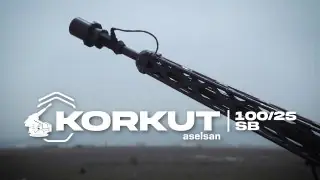
- KORKUT system
- Turkish counter-drone system inspected by Polish General Cukula for potential adoption.
- GOKBERK system
- Turkish laser weapon system inspected by Polish officials for integration into national defense.
- EJDERHA system
- Turkish electronic warfare technology inspected by Polish General Cukula.
- PGZ company
- Polish Armaments Group cited as seeking private sector suppliers to expand domestic military production.
- ASELSAN company
- Turkish defense firm whose HQ was visited by Polish General Cukula to inspect defense systems.
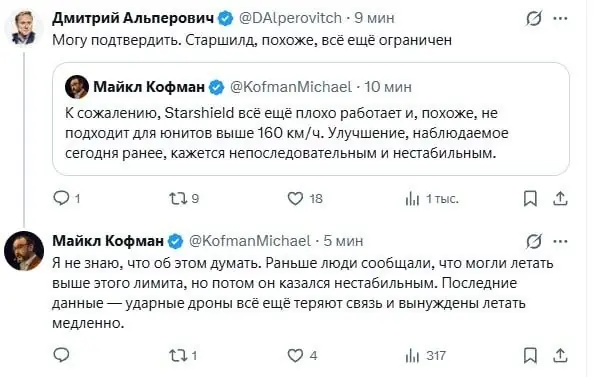
- Starshield system
- Referenced in claims that Ukraine lost drones due to communication limits associated with the system.
CounterpointsUkrainian and Western sources directly contradict the Russian narrative of a total aid suspension, with the Polish MoD denying the halt and reports indicating only a suspension of a specific large package pending diplomatic resolution. Additionally, while Russian channels frame the airspace alerts as a sign of weakness or spillover failure, Western sources confirm the alerts were standard responses to drone debris crossing borders, with no airspace violations reported. Russian claims of Polish internal collapse are also countered by reports of active multinational exercises and continued high-level diplomatic engagement.
Belarus
Russian milbloggers are highlighting a deepening military integration between Russia and Belarus, focusing on joint exercises, industrial cooperation, and border security preparations. Reports detail the deployment of Belarusian chassis for Russian air defense systems, the creation of rural militia units trained in drone warfare, and high-level diplomatic meetings discussing preemptive actions against NATO. Concurrently, Russian channels emphasize hybrid threats on the western border, alleging sabotage and armed provocations by foreign actors using Belarusian territory, while Ukrainian sources confirm active Belarusian volunteer involvement in Ukraine and warn of ballistic missile threats.
NamedAlexander Lukashenko ×1Andrei Karshakou ×1Expand →
Collapse ↑
Belarus
Russian channels' claims and tone about Belarus — not confirmed fact; friendly sources in green.
- Joint Military Exercises and Readiness — Russian channels highlight the high readiness of Belarusian contingents in CSTO drills and the integration of Belarusian MZKT chassis into Russian Pantsir-S1M air defense units.
- Border Security and Hybrid Threats — Milbloggers report frequent armed incursions and sabotage attempts near the Latvian and Pskov borders, attributing them to foreign special services and framing them as evidence of NATO aggression.
- Domestic Militarization and Drone Development — Lukashenko has ordered the acceleration of new-generation drone development and the formation of over 1,000 rural militia units equipped with small arms and drones for counter-sabotage.
- Strategic Diplomacy and NATO Posturing — Russian Defense Minister Belousov and Lukashenko discussed the ODCB grouping and preemptive actions, while Russian officials claim NATO is preparing for direct confrontation with Russia and Belarus.
- Industrial and Agricultural Cooperation — A joint Russian-Belarusian facility for agricultural drones is under construction in Kaluga, signaling continued economic and technological integration despite the war.
- Alexander Lukashenko person
- Belarusian President ordering militia creation and drone development acceleration
- Andrei Karshakou person
- Named entity in posts, likely a Belarusian official or military figure
- MZKT-7930 product
- Belarusian chassis supplied to Russia for mounting Pantsir-S1M air defense systems
- Pantsir-S1M system
- Russian air defense system observed on Belarusian chassis during Center-2026 exercises
- ODCB programme
- Collective Security Treaty Organization Rapid Reaction Force, discussed in context of western direction grouping
- Center-2026 programme
- Russian strategic exercise where Belarusian MZKT chassis and joint drone tactics were demonstrated
- Interaction-2026 programme
- CSTO exercise at Chebarkul highlighting Belarusian contingent readiness and joint assault drone tactics
- Eurasia-Antiterror-2026 programme
- SCO counter-terror drills in Belarus featuring joint drone strike suppression and counter-drone operations
- Shield of the Union-2027 programme
- Joint NATO exercise approved for 2027, cited by Russian sources as part of NATO escalation
- Grand Eagle programme
- NATO exercise in Lithuania involving German forces, reported by Russian sources as a border threat
- Freedom Shield 26-2 programme
- NATO exercise in Lithuania near the Belarus border, cited in Russian reports of hybrid threats
- Volya programme
- Belarusian volunteer Unmanned Systems Company within the Ukrainian Navy, conducting special missions
- Black Russians programme
- Alleged cover group of armed men threatening Latvian military on the Belarus border
- Aidar programme
- Ukrainian unit referenced in FSB claims regarding a Swedish national crossing from Belarus
- Aviation Technologies and Complexes company
- Site in Kaluga where joint Russian-Belarusian agricultural drone production is underway
- Belousov person
- Russian Defense Minister meeting Lukashenko and discussing ODCB and NATO threats
- Kovalchuk person
- Bryansk Governor reporting drone strikes on Belarusian truck drivers
- Khrenin person
- Russian official discussing ODCB grouping with Belousov in Belarus
- Polishchuk person
- Russian MFA Director claiming NATO is preparing for direct military confrontation
- Rutt person
- NATO Secretary General meeting Estonian PM, cited in Russian reports of hybrid threats
- Dombrava person
- Latvian Interior Minister proposing lethal force against border infringers, cited in Russian reports
- Ruskuils person
- Latvian Border Guard Chief warning against firing toward Belarus, cited in Russian reports
- Ragozin person
- Exiled Russian journalist blacklisted by Latvia, cited in Russian reports of hybrid threats
CounterpointsUkrainian and Western sources contradict Russian narratives of Belarusian neutrality or passive involvement by confirming active Belarusian volunteer participation in Ukraine, specifically the 'Volya' Unmanned Systems Company. Additionally, Ukrainian President Zelensky warns that Belarus is being used as a launch platform for ballistic missiles and drone repeaters, directly challenging Russian claims that these are merely defensive preparations against NATO aggression.
Wider region
Wider NATO & region
Russian milbloggers are highlighting a surge in NATO logistical integration, specifically noting that Ukraine can now procure weapons via the NATO Support and Procurement Agency (NSPA) to bypass direct US delays, a move they view as a strategic shift in supply chains. They are also amplifying claims of heightened hybrid threats, including drone sabotage alerts in Germany and alleged Russian trawler mapping of NATO undersea cables, while reporting on the deployment of additional NATO assets to the Black Sea following attacks on merchant vessels. The narrative emphasizes the militarization of the Baltic region, citing Polish tank deployments near Kaliningrad and Lithuanian radar upgrades, alongside diplomatic friction such as Poland suspending aid over Ukrainian historical commemorations.
NamedRumen Radev ×12Patriot ×9Steve Witkoff ×8ASELSAN ×6Alexus Grynkewich ×6Jared Kushner ×5Ivaylo Mirchev ×4Pete Hegseth ×4Starlink ×4Zelensky ×4Alexander Stubb ×3Donald Trump ×3Expand →
Collapse ↑
Wider NATO & region
Russian channels' claims and tone about Wider NATO & region — not confirmed fact; friendly sources in green.
- NATO Logistics & Procurement — Russian channels focus on Ukraine's new ability to buy via NSPA and the involvement of Lockheed Martin in specialized F-16 variants.
- Hybrid Threats & Sabotage — Claims of German drone alerts, Russian trawler cable mapping, and GUR warnings of false flag operations in the Baltics.
- Baltic Militarization — Reports on Lithuanian radar installations, Polish K2 tanks near Kaliningrad, and EU funding for Lithuanian divisions.
- Black Sea Security — Coverage of NATO surveillance deployments and Romanian F-16 drone interceptions following attacks on commercial shipping.
- Diplomatic & Political Friction — Stories on Poland suspending aid due to UPA commemorations and EU efforts to establish independent peace negotiators.
- Rumen Radev person
- Mentioned in the context of Bulgarian political dynamics and ammunition issues.
- Patriot system
- Referenced in relation to Bulgarian air defense and ammunition stockpiles.
- Steve Witkoff person
- US envoy reported to be in St. Petersburg and meeting with Ukrainian leadership in Norway.
- ASELSAN company
- Turkish defense firm linked to drone production and regional military capabilities.
- Alexus Grynkewich person
- Named in the context of Canadian military leadership or NATO battlegroup operations.
- Jared Kushner person
- Reported to join US envoy talks via video regarding post-conflict resolution.
- Ivaylo Mirchev person
- Bulgarian official associated with national security or defense procurement discussions.
- Pete Hegseth person
- US Defense Secretary reported to have visited Israel to synchronize air defense logistics.
- Starlink system
- Claims that Trump ordered the restoration of military-grade Starlink for Ukraine.
- Zelensky person
- Meeting with Trump envoy and King Harald V in Norway to discuss peace plans.
- Alexander Stubb person
- Finnish President linked to the €300m support package signed with Ukraine.
- Donald Trump person
- Reported to have called Musk to lift Starlink restrictions and suggested a meeting with Putin.
CounterpointsUkrainian and Western sources confirm the NSPA procurement access but clarify it does not provide new funding or production capacity, contradicting Russian implications of a sudden supply surge. Western reports confirm the drone attack on the Romanian ship and NATO's Black Sea surveillance response, but do not support Russian claims of a local ceasefire in Aleisky or the specific casualty figures in German exercises. While Western sources confirm Poland's aid pause, they attribute it to diplomatic friction over historical commemorations rather than the strategic withdrawal suggested by Russian channels.
Latest findings
307 from the last 14 days · older findings by month →