Hetzner Russia War OSINT
Telegram-based OSINT on Russian adversarial Telegram channels, cross-checked against pro-Ukrainian channels, with a main focus on drones, robots and AI in Russia's war against Europe. Running entirely on Hetzner's AI inference service, currently in beta testing. The analysis runs several times a day.
Most important events
What happened, and what the monitored channels added around it. The event is usually already public; the detail underneath is what the channels supply and ordinary reporting leaves out. Every line names its channel and grade — these are combatant claims about a live war, not established fact.
US envoy Witkoff meets Putin in St. Petersburg to discuss ceasefire and prisoner exchange
High-level diplomatic engagement between the US and Russia, signaling a potential shift in negotiation posture and a push for a trilateral peace framework.
US envoy Steve Witkoff arrived in St. Petersburg and met with President Putin for over three hours, accompanied by Kirill Dmitriev. The discussion focused on a ceasefire for energy and food supplies, a prisoner exchange involving American Steven Hubbard, and post-war economic deals. Putin proposed resuming trilateral Ukraine-US-Russia talks in November, while Witkoff indicated Trump would welcome the move. This follows Witkoff’s earlier talks with Zelensky in Oslo.On this site Vladimir Putin Donald Trump
- Meeting lasted over 3 hours; Kirill Dmitriev was present; topics included ceasefire for energy/food, prisoner exchange (Hubbard), and post-war economic deals. Kotsnews (Александр Коц) C
- Putin told Witkoff he will discuss a potential meeting with Donald Trump in China. МИГ России (MIG Rossii) C
- Yury Ushakov says Russia proposes trilateral Ukraine talks in early November; mentions potential inclusion in APEC summit agenda. МИГ России (MIG Rossii) C
- US envoy Steve Witkoff thanked Putin for the release of Steven Hubbard, linking it to ongoing negotiation efforts. ANNA NEWS C
Still unknown Whether a trilateral meeting will occur in November or at the G20 summit, and if territorial concessions are on the table.
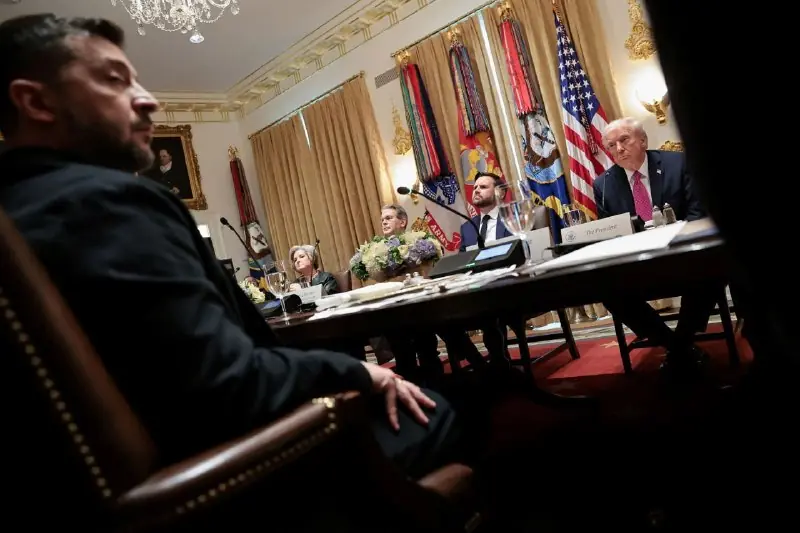
Zelensky meets US envoy Witkoff in Oslo to negotiate peace and security guarantees
Ukraine's leadership engaged directly with the US envoy on war termination, security guarantees, and territory, under pressure from Washington to settle.
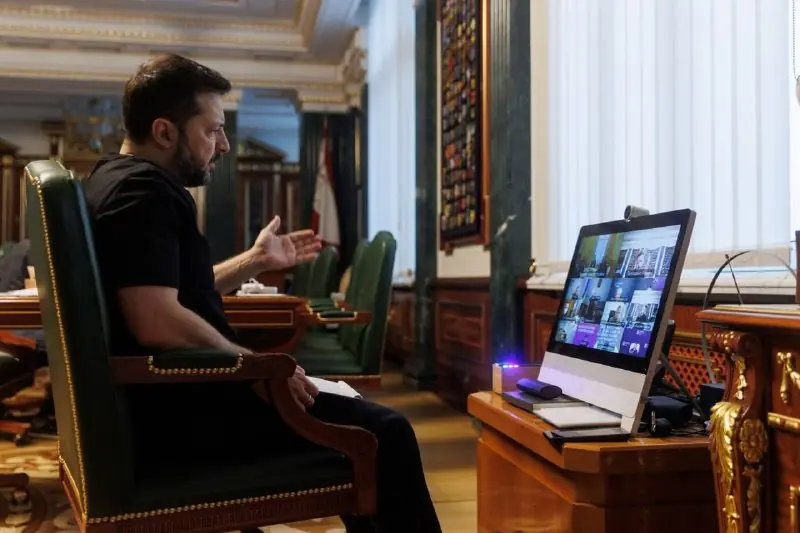
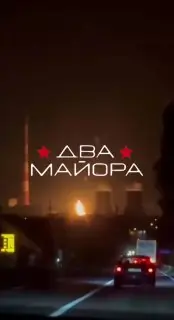
President Zelensky met US envoy Steve Witkoff, Finland’s President Stubb, and Norway’s PM Støre in Oslo to negotiate war termination, security guarantees, and territory. Witkoff reportedly urged Zelensky to make a deal, noting Russian army successes and warning of ‘very bad’ consequences if Kiev refuses. Zelensky claimed the US offered NATO Article 5-level security guarantees and resumed intelligence sharing. Witkoff then proceeded to Moscow.- Zelensky met Witkoff, Stubb, and Støre in Oslo on Oct 20 to negotiate war termination, security guarantees, and territory. Два майора (Two Majors) C
- Zelensky claims US offered NATO Article 5-level security guarantees and resumed intelligence sharing, including on ballistic launches. Операция Z: Военкоры Русской Весны D
- Trump urges Zelensky to make a deal, noting Russian army successes and territorial expansion; claims Ukraine missed better terms two years ago. Операция Z: Военкоры Русской Весны D
- Norwegian PM Støre says discussions may prepare for leader meeting; Witkoff heads to St Petersburg after Oslo talks. Операция Z: Военкоры Русской Весны D
Still unknown The specific terms of the 'NATO Article 5-level' guarantees and whether Ukraine accepted the US pressure to settle.
Russian strikes hit Poltava rail depot and Vilkove naval drone bases
Targeting of key Ukrainian logistics and naval drone infrastructure suggests a shift in Russian strike priorities toward sustaining naval drone capabilities.
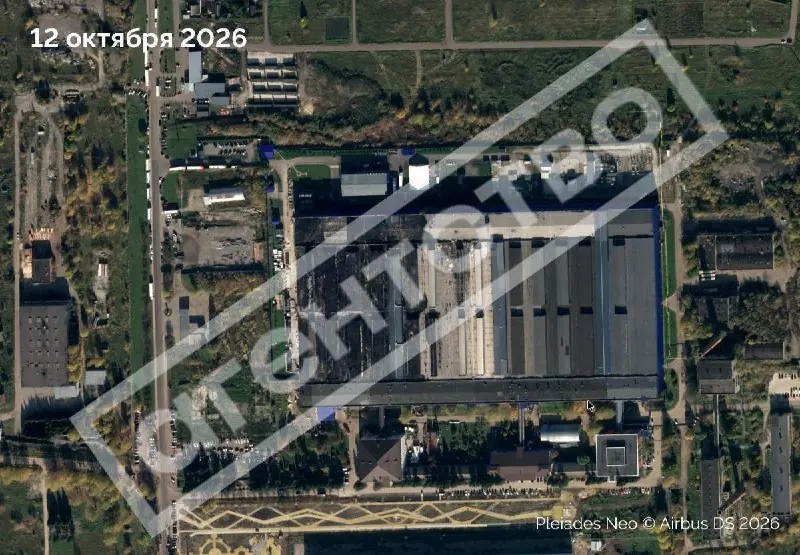
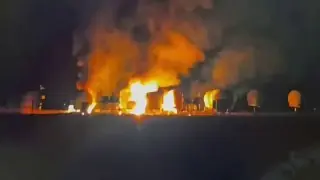
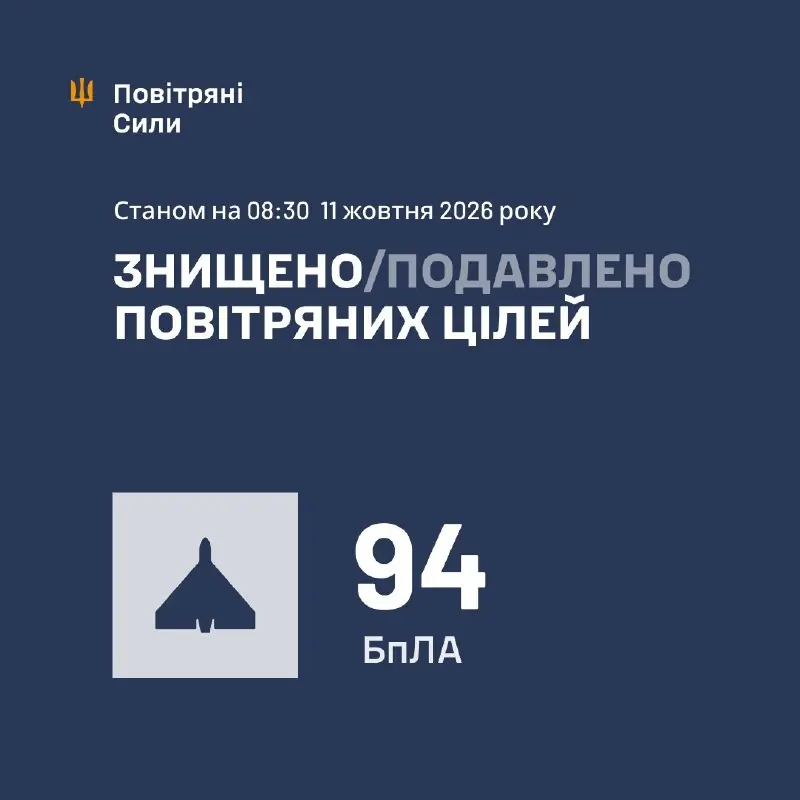
Russian MoD and milbloggers reported drone strikes on Poltava rail depot (military tech storage) and Vilkove port in Odesa region. The Vilkove strike reportedly destroyed two unmanned boat operator bases, boat parking, storage, and prep infrastructure. A cargo ship supplying Odesa port was also hit. These strikes aim to degrade Ukrainian naval drone production and logistics.- Russian MoD claims drone strikes hit Poltava railway depot and Odesa port facility housing Ukrainian naval drone operators and craft; also hit cargo ship. Минобороны России D
- Vilkove port: two unmanned boat operator bases, boat parking, storage, and prep infrastructure destroyed. Sea: cargo ship supplying Odesa port hit. СОЛОВЬЁВ D
- Russian drones hit Poltava rail depot (military tech storage). Vilkove port: two unmanned boat operator bases, boat parking, storage, and prep infrastructure destroyed. СИЛОВИКИ (Siloviki) D
- MoD claims drone strikes hit Poltava rail depot, Vilkove naval drone operator bases and storage, and a cargo ship delivering supplies to Odesa port. Сводки ополчения Новороссии Z.O.V. D
Still unknown Extent of damage to Vilkove infrastructure and impact on Ukrainian naval drone operations.
Poland suspends large military aid package to Ukraine over UPA commemoration resolution
A significant political disruption to Western military support for Ukraine, highlighting internal EU tensions and the impact of historical symbolism on aid.
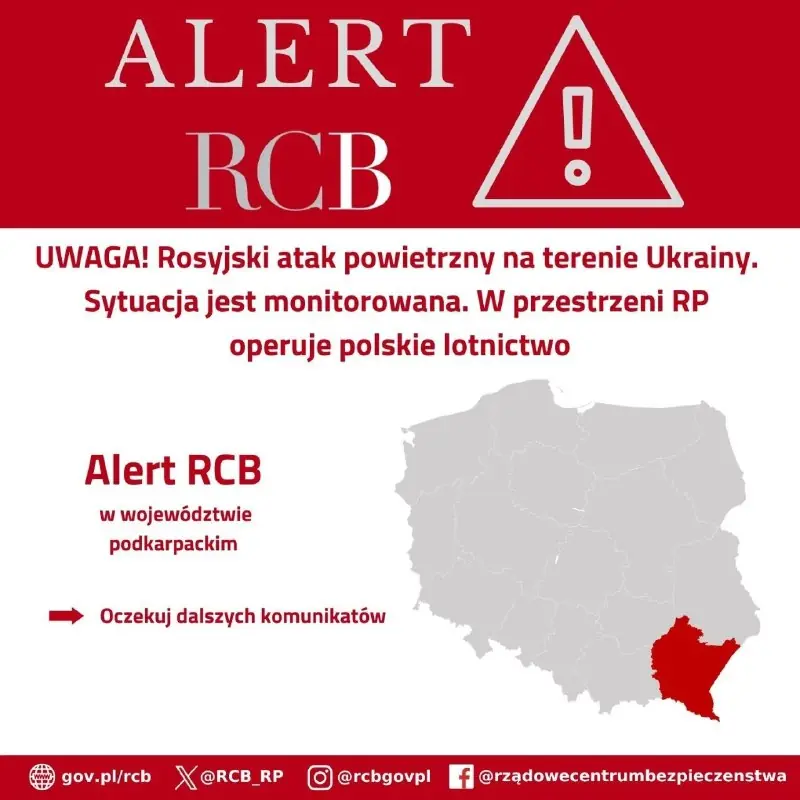
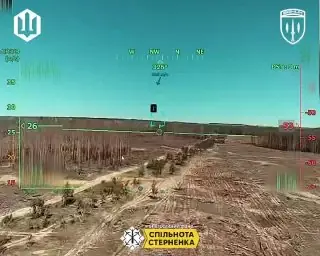
Poland suspended a large military aid package to Ukraine due to a resolution by the Lviv Oblast Council declaring 2027 the Year of UPA, Shukhevych, and Olzhych. Active work is underway to restore supplies. This suspension represents a tangible consequence of historical disputes on military logistics.- Poland suspended a large military aid package to Ukraine due to Lviv Oblast Council's resolution declaring 2027 the Year of UPA, Shukhevych, and Olzhych. STERNENKO C
- Active work underway to restore supplies. STERNENKO C
Still unknown Duration of the suspension and conditions for resumption.
China Watch
Russian milbloggers are increasingly framing China as a pivotal strategic partner, emphasizing high-level diplomatic engagement and economic integration while downplaying direct military complicity. Channels highlight proposed trilateral summits involving Xi Jinping and Trump, alongside record trade volumes and joint infrastructure projects, to portray Moscow as escaping isolation. Simultaneously, they report on Chinese technological advancements in AI and drone systems, often contrasting PLA doctrine with Russian combat experience, while alleging that Ukrainian forces are circumventing neutrality laws through grey supply chains for Chinese components.
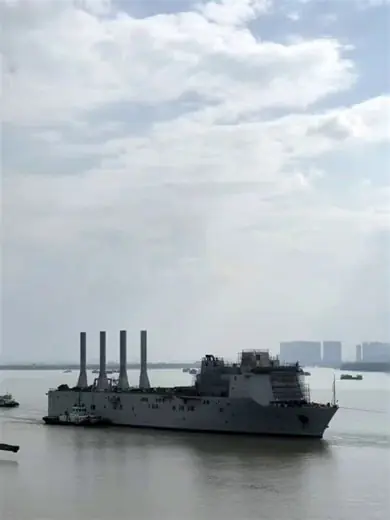
CounterpointsUkrainian and Western sources contradict the Russian narrative of Chinese neutrality by alleging direct complicity, such as the transfer of drone-launcher tech from Russia to Norinco and the use of Chinese components in Ukrainian naval drones. Western reports also highlight China's construction of UUV motherships and its role in enabling North Korean labor at the Alabuga plant, directly challenging the Russian claim that China is merely a passive economic partner.
Reports of Chinese people in Russia, occupied Ukraine or Belarus — soldiers, advisers, instructors, technical specialists — as against Chinese parts and deliveries, which are tracked under China below. Every item is shown with its grade. Single, unconfirmed claims are included on purpose: a grade of 4–6 means one source we do not rate as reliable. Judge them as claims, not as established fact.
- B3 1 independent origin UA · friendly
Russia demonstrates drone tactics to Chinese observers at Center-2026
The Telegraph reports that Russia used the Center-2026 exercises in Chelyabinsk to demonstrate drone tactics to Chinese military observers, sharing combat experience from the Ukraine war.
Items stay here for 30 days, then move to the China watch archive, where they are kept permanently — 3 so far.
Russian milblogger trend watch
Russian milbloggers are aggressively promoting the F-1 interceptor drone as a decisive, cost-effective solution to the Ukrainian drone saturation, claiming high kill rates in the Dnipro sector. Simultaneously, they are pivoting to strategic infrastructure strikes, using Geran-4 and ballistic missiles to target Ukrainian energy grids and logistics hubs while downplaying the impact of restored Starlink connectivity. The narrative emphasizes a shift from tactical drone duels to a broader campaign of attrition, leveraging interceptor drones and precision glide bombs to degrade Ukrainian command and control.
Loud right nowRussian milbloggers are heavily promoting the F-1 interceptor drone as a game-changer in air defense, claiming it has neutralized dozens of Ukrainian drones in the Dnipro sector, while simultaneously escalating strategic strikes on Ukrainian energy infrastructure with Geran-4 and ballistic missiles to degrade long-term war-fighting capacity.
Expand analysis →
Collapse ↑
What Russian milbloggers are saying — their claims and mood, not confirmed fact.
Autonomy & AI at the edge
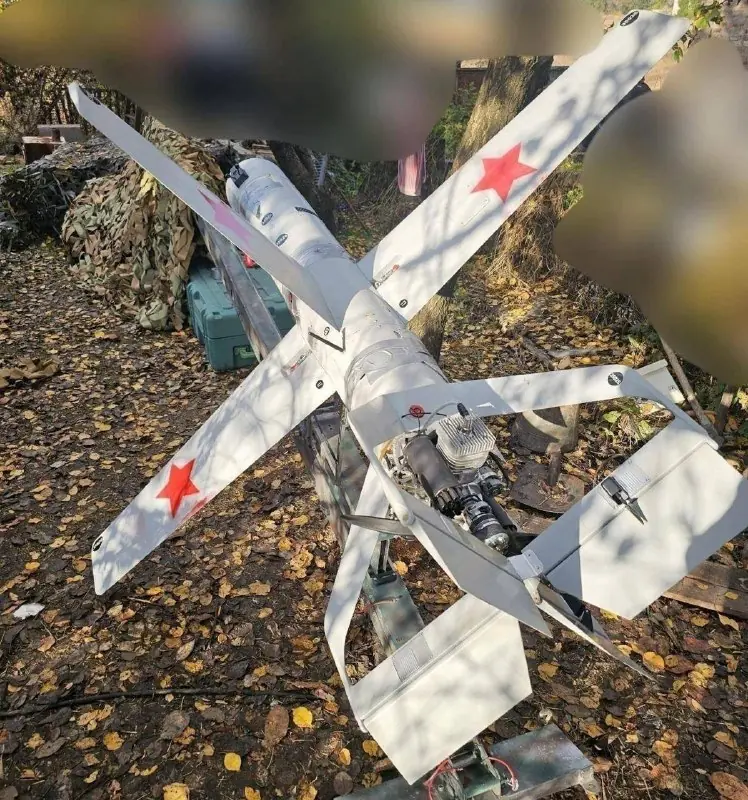
Russian milbloggers are increasingly framing AI and machine vision as the critical enablers for terminal guidance, particularly in the context of the new Lancet ‘Product 51’ loitering munition which is reported to have successfully engaged a Ukrainian Bogdana-B howitzer in the Sumy region. While they claim these systems offer robust target recognition, they concede that true autonomy is still constrained by the availability of high-precision domestic components, noting that the new ‘Filin’ cruise missile still relies on a mix of US, European, and Chinese electronic parts. The narrative suggests that onboard neural networks are effectively used for last-mile target acquisition, allowing operators to maintain situational awareness even when video feeds are degraded by electronic warfare, though they admit that the hardware lag compared to Western systems remains a persistent bottleneck for mass deployment.
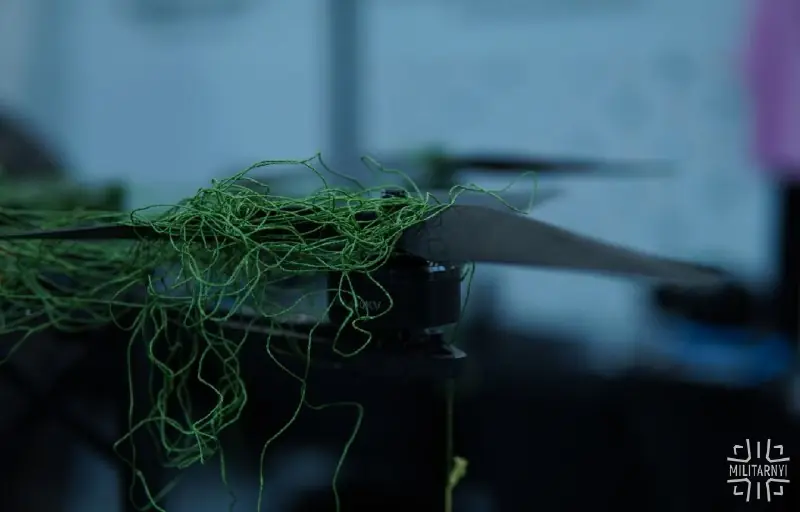
EW vs counter-EW & fiber-optic drones
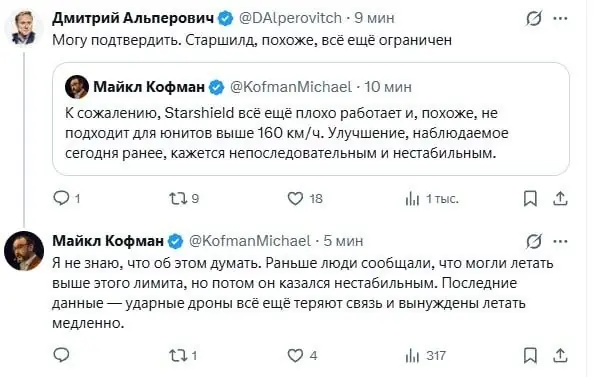
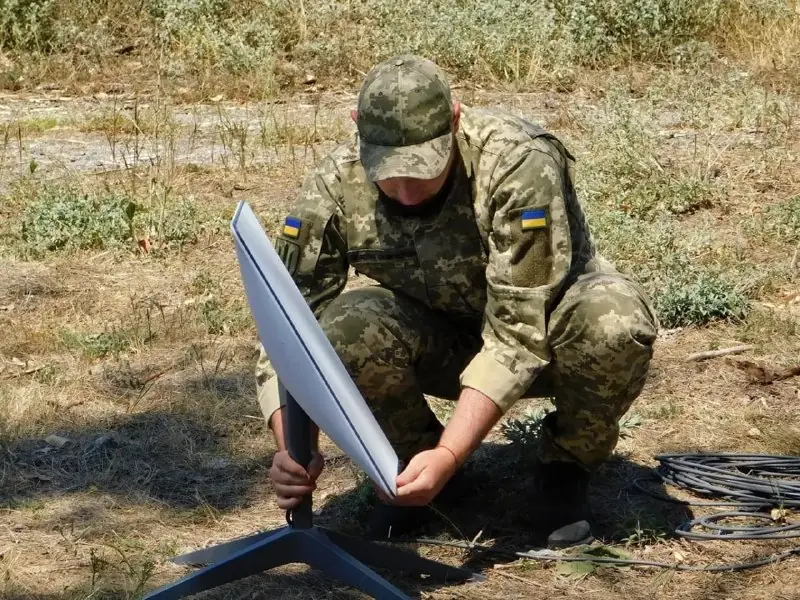
The effectiveness of Russian electronic warfare is being contested, with prominent milbloggers like Rybar arguing that recent drops in Ukrainian drone strikes are due to severe weather conditions rather than successful jamming or Starlink restrictions. They claim that Ukrainian operators are abandoning Starlink terminals due to dissatisfaction with service restrictions, although this is countered by reports that the US has restored full military-grade Starlink speeds following direct intervention from President Trump. Despite these connectivity improvements, Russian forces are reportedly adapting by relying on fiber-optic drones and tactical relays to bypass jamming nets, with some units employing Raspberry Pi-based transparent modems to extend the range of FPV attacks. The milbloggers acknowledge that while EW can disrupt communications, it is not a silver bullet, and Ukrainian drone operators are increasingly using weather-resistant, heavier platforms that are less susceptible to wind and jamming.
Counter-drone / interception
Interceptor drones are emerging as the central theme in Russian air defense, with the GRV ‘Center’ unit claiming that the new F-1 interceptor drone has destroyed over 20 Ukrainian drones in just four days in the Dnipro direction. Milbloggers emphasize the economic viability of these interceptors compared to traditional SAMs, highlighting their ability to engage fast, low-flying targets like the PD-2 and Rubaka with high stability. The narrative also points to the use of physical infrastructure as a counter-drone measure, such as construction cranes in Moscow and Kyiv being used to physically intercept Geran-2 drones, and the deployment of ‘Strilets’ complexes firing Igla-S missiles where EW fails. The density of Ukrainian attacks is acknowledged, with reports of hundreds of drones directed at the Moscow region in a single night, but the focus remains on the success of these layered, multi-modal defenses.
Production, components & supply chain
Russian milbloggers are highlighting a significant push for import substitution in high-precision manufacturing, citing a threefold growth in the machine tool market and the production of new 5-axis milling centers for aerospace applications. However, they also report serious bottlenecks, such as the cancellation of a contract with NIIP for domestic silicon wafers needed for power semiconductors, due to the institute’s failure to deliver pilot batches. The reliance on foreign components remains a critical vulnerability, as evidenced by the teardown of the ‘Filin’ cruise missile which revealed 81 electronic components from US, European, and Chinese manufacturers. Despite these challenges, the narrative emphasizes that domestic production is scaling up, with new CNC lathes and grinding centers being deployed to support the defense industry, although the milbloggers admit that full independence from foreign supply chains is still a distant goal.
Tactics & employment
Tactical employment is shifting towards strategic infrastructure strikes, with Russian forces using Geran-4 and ballistic missiles to target Ukrainian energy grids, including the Dnipro Thermal Power Station and 330kV substations in the Kyiv region. Milbloggers report that Russian drone operators are increasingly integrating ISR and strike capabilities, using ZALA Z-16 drones to spot targets for Lancet loitering munitions, which then engage hidden artillery pieces and command posts. The use of Soviet-era pipelines for underground movement and drone launches is also highlighted as a novel tactic to bypass Ukrainian defenses and launch surprise attacks. Additionally, there is a growing emphasis on logistics interdiction, with strikes on railway depots in Poltava and naval drone bases in Vilkove, aiming to disrupt Ukrainian supply chains and reduce their operational tempo.
Ground & naval robotics
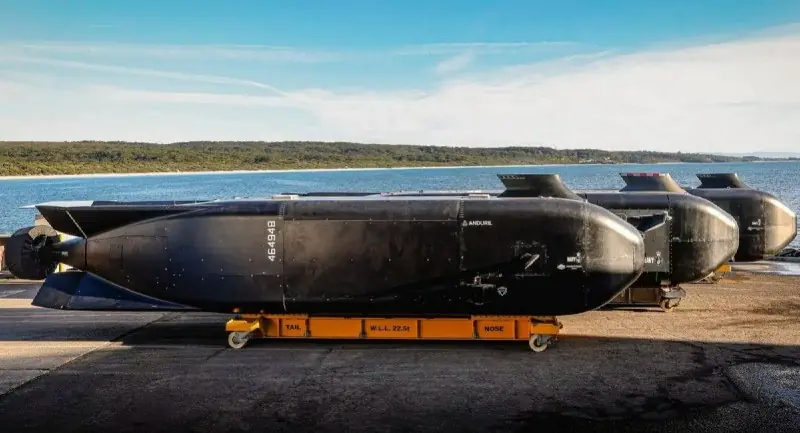
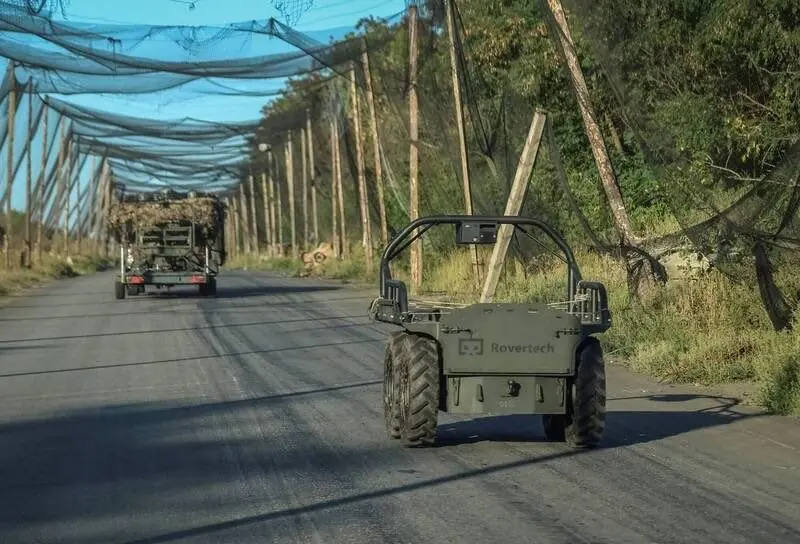
Ground robotics are being used primarily for logistics and reconnaissance, with reports of the Depesha-3 robot conducting autonomous night runs on pre-mapped routes to avoid detection. Naval robotics are also a focus, with Russian drones striking Ukrainian naval drone operator bases and storage facilities in Vilkove, indicating a targeted effort to degrade Ukrainian underwater and surface drone capabilities. The milbloggers acknowledge the threat posed by Ukrainian naval drones, but claim that Russian air and missile defenses are effectively countering them. The maturity of these systems is still evolving, with ground robots being used in a limited capacity and naval drones being primarily employed for reconnaissance and strike missions rather than autonomous swarming.
Named systems & programmes
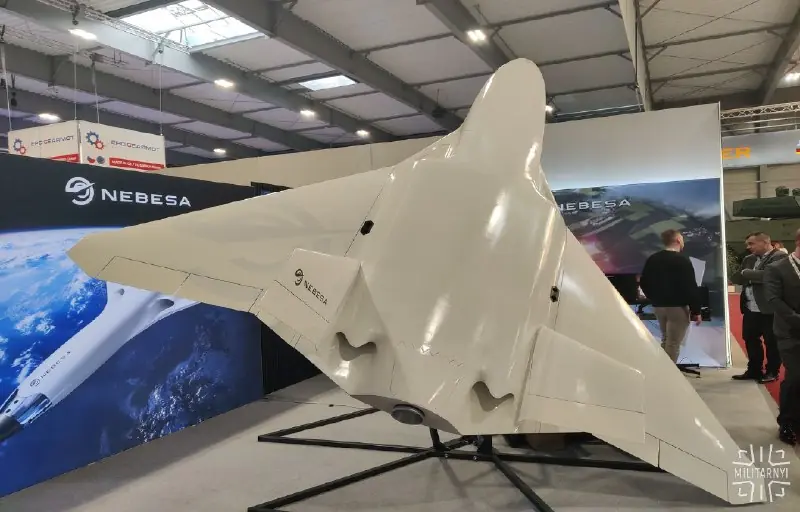
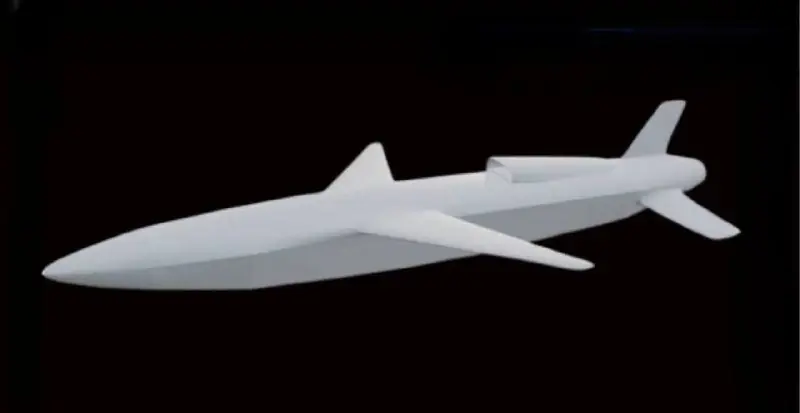
The F-1 interceptor drone is the most prominent new system, with claims of high effectiveness against Ukrainian drones in the Dnipro sector. The Geran-4 Sikher is also highlighted for its ability to strike high-value targets like transformers and bridges, while the Lancet ‘Product 51’ is noted for its precision in engaging hidden artillery. The ‘Filin’ cruise missile is discussed for its extended range and reliance on foreign components, and the ‘Atom’ initiator component is mentioned in the context of UAV development. Ukrainian systems like the PD-2, Rubaka, and Bogdana-B are frequently cited as targets, with milbloggers claiming successful engagements against them. The narrative also references the ‘Strilets’ complex and ‘Molniya-2’ EW system as key components of the layered defense strategy.
Offensive/defensive balance & morale
The overall mood among Russian milbloggers is one of cautious optimism, driven by the perceived success of interceptor drones and strategic strikes on Ukrainian infrastructure. They claim that the balance of power is shifting in their favor, with Russian forces able to degrade Ukrainian drone production and logistics while maintaining their own offensive capabilities. However, they also acknowledge the challenges posed by Ukrainian drone saturation and the effectiveness of their tactics, such as the use of FPV drones in combined arms operations. The milbloggers are critical of Western aid, particularly the restoration of Starlink speeds, but remain confident that Russian EW and air defense systems can counter these advantages. The narrative emphasizes the resilience of the Russian defense industry and the adaptability of its forces in the face of technological challenges.
Attention to the Netherlands
The Netherlands are mentioned in the context of military aid to Ukraine, with milbloggers noting the delivery of F-16s and Patriots. The tone is generally dismissive, with claims that these systems are ineffective against Russian EW and air defenses. There is no significant focus on Dutch companies or political developments, and the Netherlands are not a primary target of Russian strikes or propaganda. The milbloggers acknowledge the Netherlands as a contributor to the war effort but do not view them as a major threat or a key player in the conflict.
Attention to Germany
Germany is frequently mentioned in the context of military aid, particularly the delivery of IRIS-T, Gepard, and Leopard systems. Milbloggers claim that German drones and sabotage threats are increasing, with reports of ‘wandering’ drones near German airbases and military installations. The tone is hostile, with accusations of German involvement in hybrid warfare and sabotage operations. The milbloggers also criticize German political leadership for its support of Ukraine, viewing it as a key driver of the conflict. There is a growing focus on German defense companies like Rheinmetall and Diehl, with claims that they are supplying critical components to Ukrainian forces. The narrative emphasizes the need to counter German influence and disrupt its defense industry.
- ↑ Autonomy & AI at the edge — Increased focus on AI terminal guidance for Lancet and Filin systems.
- → EW vs counter-EW & fiber-optic drones — Debate over Starlink restrictions vs weather; fiber-optic adoption continues.
- ↑ Counter-drone / interception — F-1 interceptor drone claims of high kill rates are dominating the narrative.
- ↓ Production, components & supply chain — Domestic silicon wafer production failures highlight ongoing supply chain constraints.
- ↑ Tactics & employment — Shift to strategic infrastructure strikes and underground pipeline tactics.
- → Ground & naval robotics — Limited use of UGVs for logistics; focus on striking naval drone bases.
- ↑ Named systems & programmes — F-1 and Geran-4 are the new focal points of Russian drone warfare.
- ↑ Offensive/defensive balance & morale — Optimism driven by interceptor success and strategic strike effectiveness.
- → Attention to the Netherlands — Mentioned only in context of F-16/Patriot aid; low strategic focus.
- ↑ Attention to Germany — Increased accusations of German sabotage and hybrid warfare activities.
Foreign support for Russia's war
China
Russian milbloggers are increasingly framing China as a pivotal strategic partner, emphasizing high-level diplomatic engagement and economic integration while downplaying direct military complicity. Channels highlight proposed trilateral summits involving Xi Jinping and Trump, alongside record trade volumes and joint infrastructure projects, to portray Moscow as escaping isolation. Simultaneously, they report on Chinese technological advancements in AI and drone systems, often contrasting PLA doctrine with Russian combat experience, while alleging that Ukrainian forces are circumventing neutrality laws through grey supply chains for Chinese components.
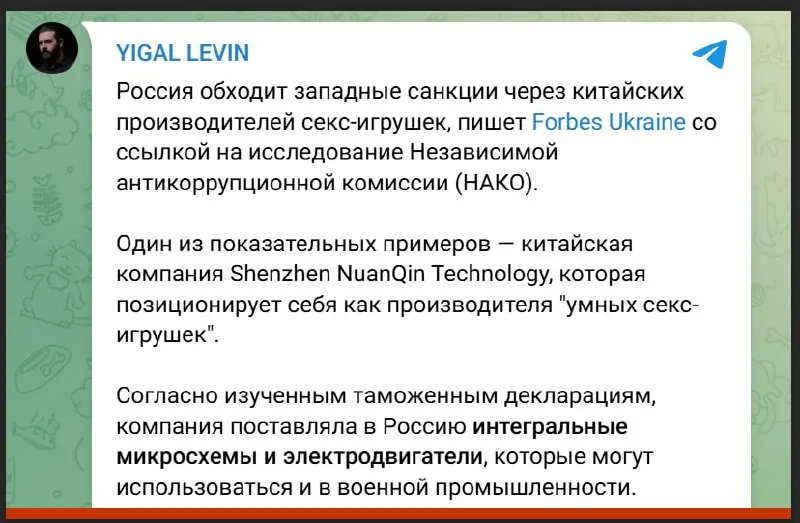
NamedXi Jinping ×28Li Qiang ×4Taiwan ×3Geely ×2Shenzhen NuanQin Technology ×2Wang Yi ×2ADAspace ×1Beijing Yufeng Flight Technology ×1CNPC ×1Chinese Jetson-class compute ×1Chinese People's Liberation Army ×1DJI ×1Expand →
Collapse ↑
China
Russian channels' claims and tone about China — not confirmed fact; friendly sources in green.
- Diplomatic Maneuvering — Russian channels focus on Putin's meetings with Li Qiang and US envoys, promoting a narrative of a potential trilateral summit in Shenzhen to dictate Ukraine's future.
- Economic & Energy Ties — Reports cite $180-214 billion in trade and the 'Power of Baikal' gas route, framing economic sovereignty as the foundation of the Russia-China partnership.
- Technological Competition — Analyses critique Chinese military doctrine as flawed due to lack of combat experience, particularly regarding laser anti-drone systems and AI integration.
- Supply Chain Allegations — Russian sources allege Ukrainian firms import Chinese drones and components via intermediaries in Eastern Europe to bypass neutrality claims.
- Component Sourcing — Teardowns of Russian weapons reveal Chinese electronic components, which milbloggers use to illustrate the depth of industrial interdependence despite sanctions.
- Xi Jinping person
- Central figure in proposed trilateral summits and strategic partnership narratives.
- Li Qiang person
- Chinese Premier met with Putin to discuss trade and energy infrastructure.
- CNPC company
- Jointly finalizing the 'Power of Baikal' gas route with Gazprom.
- ADAspace company
- Launched 'Star Computing' satellites for AI model training in orbit.
- Geely company
- Mentioned in context of Chinese rental cars in NATO exercises.
- Shenzhen NuanQin Technology company
- Named in diplomatic or trade contexts within the entity list.
- Wang Yi person
- Met with Lavrov during CICA summit discussions.
- Chinese Jetson-class compute system
- Referenced in the context of AI and computing infrastructure.
- Chinese People's Liberation Army company
- Critiqued for flawed doctrine on laser anti-drone systems due to lack of combat experience.
- DJI company
- Named in the entity list, likely in context of drone components.
CounterpointsUkrainian and Western sources contradict the Russian narrative of Chinese neutrality by alleging direct complicity, such as the transfer of drone-launcher tech from Russia to Norinco and the use of Chinese components in Ukrainian naval drones. Western reports also highlight China's construction of UUV motherships and its role in enabling North Korean labor at the Alabuga plant, directly challenging the Russian claim that China is merely a passive economic partner.
Iran
Russian milbloggers and state channels are highlighting a deepening strategic alignment between Moscow and Tehran, framing it as a coordinated response to Western pressure. Reports emphasize high-level diplomatic engagement, with FM Lavrov visiting Tehran to discuss expanded economic, nuclear, and military ties, while IRGC claims of downing US drones and striking regional targets are presented as evidence of effective joint deterrence. The narrative also underscores Iran's domestic military resilience and logistical dependency on Russia, portraying the partnership as essential for countering US influence in the Gulf and Ukraine.
NamedIRGC ×4Abbas Araghchi ×2Ali Bagheri Kani ×2Masoud Pezeshkian ×23rd Khordad ×1Abbas Arakchi ×1Iranian Revolutionary Guard ×1Islamic Revolutionary Guard Corps ×1Mohammad Pezeshkian ×1Expand →
Collapse ↑
Iran
Russian channels' claims and tone about Iran — not confirmed fact; friendly sources in green.
- Diplomatic Escalation — Lavrov's visit and claims of unprecedented cooperation cover economic, nuclear, and regional security issues.
- Kinetic Coordination — Russian channels amplify IRGC claims of destroying US MQ-9 drones and striking US bases in Kuwait.
- Regional Power Projection — Reports detail Iranian drone and missile strikes on Saudi infrastructure, Houthi operations, and Strait of Hormuz shipping.
- Logistical and Economic Dependency — Analysis suggests Iran's reliance on Russian grain and tech credits deepens bilateral ties and offsets oil revenue losses.
- Domestic Military Readiness — Footage of 3rd Khordad air defense systems and exercises is used to showcase Iranian self-sufficiency and IRGC capabilities.
- IRGC company
- Cited for claiming downing of US drones, conducting regional strikes, and releasing footage of attacks.
- Abbas Araghchi person
- Iranian FM who met Lavrov and claimed closest-ever cooperation between Iran and Russia.
- Ali Bagheri Kani person
- Named in entity list, though specific claims in provided cards focus on Araghchi and Pezeshkian.
- Masoud Pezeshkian person
- Iranian President who met Lavrov and is expected to visit Moscow for a gas summit.
- 3rd Khordad system
- Iranian air defense system spotted being transported in Tehran, indicating domestic deployment or readiness.
- Abbas Arakchi person
- Alternate spelling of FM Araghchi mentioned in SolovievLive post regarding bilateral negotiations.
- Iranian Revolutionary Guard company
- Referenced in context of drone attacks on Saudi airports and Houthi coordination.
- Islamic Revolutionary Guard Corps company
- Used interchangeably with IRGC to describe Iranian military actions and strategic posture.
- Mohammad Pezeshkian person
- Alternate spelling of President Pezeshkian in entity list.
CounterpointsWestern and Ukrainian sources contradict Russian diplomatic optimism by noting Trump's dismissal of Russian support for Iran and OFAC sanctions targeting Russian-Iranian financial networks. Additionally, while Russian channels frame Iranian strikes as successful deterrence, Western intel suggests Russia is actively resupplying Iran with missiles and tech, and that Iran is preserving production capacity despite US/Israeli strikes, indicating a more active and material partnership than just diplomatic rhetoric.
North Korea
Russian milbloggers and state media are actively promoting the narrative that North Korean troops participated in the liberation of the Kursk region and infrastructure restoration, while confirming the deployment of Hwasong-11A (KN-23) ballistic missiles in combat strikes. The Kremlin frames this as a strategic partnership, with Deputy Defense Minister Vitaly Shulya publicly thanking Pyongyang, even as diplomatic tensions flare between Kyiv and Seoul over the handling of captured North Korean soldiers. Concurrently, Russian channels highlight North Korea’s domestic defense industrial expansion and missile testing, suggesting a deepening logistical and technological exchange that includes Russian electronic warfare support.
NamedKim Jong Un ×5Cham-2.0 ×1Chonma-2 ×1Hwasong-16B ×1KN-23 ×1Kim Yo Jong ×1Paekyangsan Shipping ×1Pukguksong-3 ×1Ri Son Jin ×1South Korea ×1Yoon Suk Yeol ×1Expand →
Collapse ↑
North Korea
Russian channels' claims and tone about North Korea — not confirmed fact; friendly sources in green.
- Troop Deployment and Kursk Operations — Russian officials claim NK units helped liberate Kursk and clear mines, though this is contested by the diplomatic fallout over POW status.
- Ballistic Missile Combat Use — Intel Slava confirms KN-23 impacts in Zaporizhzhia and their use in strikes on Kyiv, Dnipro, and Trypillia alongside Iskander-M and Zircon missiles.
- Diplomatic Friction and POW Dispute — South Korea recalls diplomatic staff from Kyiv after President Zelensky disclosed the transfer of captured NK soldiers, violating confidentiality agreements.
- Defense Industrial and Missile Development — Pyongyang opened a Museum of Defense Revolution and tested updated tactical missiles, signaling continued production capacity and upgrades for Russian supply.
- Strategic Partnership and Resource Exchange — Kim Jong Un pledges continued support to Putin, while Western sources note Russia provides electronic jamming equipment and logistics experience in return.
- Kim Jong Un person
- Pledges continued support to Putin and oversees missile tests and museum opening.
- Hwasong-11A system
- Identified as KN-23 ballistic missile used in combat strikes on Ukrainian infrastructure.
- KN-23 system
- Referenced as the tactical ballistic missile deployed by North Korea and used by Russian forces.
- Vitaly Shulya person
- Russian Deputy Defense Minister who thanked DPRK leadership for troop contributions in Kursk.
- Cham-2.0 system
- AI-guided torpedo tested by North Korea, noted in Western reports on NK military development.
- Hwasong-16B system
- Ballistic missile with hypersonic glide body tested by NK, displayed in defense museum.
- Pukguksong-3 system
- Submarine-launched ballistic missile with claimed 15,000km range, featured in NK museum displays.
- Chonma-2 system
- Tank with heavy armor equivalent displayed in North Korean defense museum.
- Ri Son Jin person
- Sanctioned by EU for technical support of North Korean missile programs in Russia.
- Kim Yo Jong person
- DPRK official reporting consideration of deploying additional tactical missiles along the South Korean border.
CounterpointsUkrainian and Western sources contradict the extent of North Korean ground combat involvement, noting that South Korea's diplomatic recall stems from a dispute over prisoner transfer secrecy rather than confirmation of large-scale troop deployments. Western intelligence indicates that North Korean laborers are primarily engaged in producing Shahed drones at the Alabuga plant with Chinese and Iranian support, rather than serving as frontline infantry. Additionally, OSINT confirms that North Korea is supplying weapons through illegal channels linked to Eastern European brokers, rather than solely through the state-level military exchanges highlighted by Russian officials.
Neighbourhood watch
The Netherlands
Russian milbloggers are highlighting the Netherlands as a critical enabler of Ukraine's war effort, focusing on significant military aid including F-16s, Patriot systems, and naval assets, while simultaneously criticizing the domestic political and logistical consequences of this support. Channels such as SolovievLive and Siloviki report that Dutch defense stockpiles are depleted due to €11.7bn in aid, impacting NATO readiness, and allege controversial arms contracting practices involving Aurexys. The narrative also frames the Netherlands as a political adversary, citing the Defense Minister's designation of Russia as an enemy and the government's role in ICC-related diplomatic tensions, while noting Dutch participation in NATO exercises like Steadfast Noon.
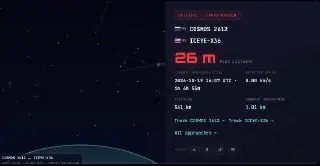
NamedThales ×3Ursula von der Leyen ×3ICEYE ×2Mark Rutte ×2Anduril Industries ×1Annabel Nanninga ×1Aurexys ×1DTS Armory ×1F-16 ×1F-35A ×1FN Herstal ×1Harmattan AI ×1Expand →
Collapse ↑
The Netherlands
Russian channels' claims and tone about The Netherlands — not confirmed fact; friendly sources in green.
- Military Aid and Stockpile Depletion — Russian sources claim Dutch aid of €11.7bn has depleted national stockpiles of artillery and air defense, affecting NATO readiness targets.
- Political Hostility and ICC Tensions — Milbloggers cite the Dutch Defense Minister calling Russia an enemy and demand extradition of ICC officials, framing the Netherlands as a hostile actor.
- NATO Integration and Exercises — Reports detail Dutch F-35A participation in NATO Steadfast Noon exercises and troop rotations in Poland, signaling long-term Western commitment.
- Arms Contracting Controversies — SolovievLive alleges a scandalous transfer of arms contracts to Aurexys following the revocation of DTS Armory licenses.
- Naval and Drone Support — Western sources confirm Dutch mine countermeasure vessels are actively training with UK forces, supporting Ukrainian naval capabilities.
- F-16 system
- Cited as part of Dutch military aid and participation in NATO exercises.
- F-35A system
- Mentioned in the context of Dutch participation in NATO Steadfast Noon nuclear exercises.
- Aurexys company
- Allegedly received arms contracts for Ukraine after DTS Armory license revocation, per SolovievLive.
- DTS Armory company
- Referenced in claims regarding license revocation and subsequent contract transfers to Aurexys.
- Thales company
- Mentioned in the context of presenting the HexaForce C2 system as a European alternative to US platforms.
- Ursula von der Leyen person
- Cited by Russian sources as announcing additional EU funding for Ukrainian drones and rockets.
- Mark Rutte person
- Named in entity list, though specific claims in provided cards focus on the Defense Minister's rhetoric.
- Annabel Nanninga person
- Dutch MP cited by SolovievLive as calling the Aurexys contract transfer scandalous.
CounterpointsUkrainian and Western sources confirm the operational reality of Dutch military support, specifically noting that Dutch Sandown and Alkmaar class mine countermeasure vessels completed Lion Protector exercises with UK forces for drone-based mine detection. This validates the Dutch contribution to naval warfare capabilities, contrasting with Russian claims that such aid is merely depleting stockpiles without strategic effect. Additionally, Western reports on Dutch cloud infrastructure partnerships with KPN and Schwarz Digits highlight ongoing technological cooperation, countering the narrative of isolated or purely destructive involvement.
Germany
Russian milbloggers are intensifying focus on Germany as the primary financial and industrial backer of Ukraine, with Chancellor Friedrich Merz cited as prioritizing Russian influence over domestic economic concerns despite high public dissatisfaction. Claims highlight German corporate involvement in supplying Ukraine, including air defense exhaustion and manufacturing disruptions, while simultaneously framing German political shifts and military deployments in the Baltics as aggressive or destabilizing. The narrative blends reports of German sabotage threats with mockery of Western defense procurement inefficiencies and strategic ambiguity.
NamedFriedrich Merz ×26Rheinmetall ×6August Hanning ×5Ursula von der Leyen ×4AfD ×3Airbus ×3Alice Weidel ×3Bundeswehr ×3Der Spiegel ×3Flugabwehrkanonenpanzer Gepard ×3Johann Wadephul ×3KNDS ×3Expand →
Collapse ↑
Germany
Russian channels' claims and tone about Germany — not confirmed fact; friendly sources in green.
- Political Leadership and Public Sentiment — Chancellor Friedrich Merz is portrayed as obsessed with Russian influence while ignoring domestic economic strain and polling dissatisfaction.
- Industrial and Financial Burden — Germany is depicted as bearing the sole financial weight of Ukrainian aid after US withdrawal, with claims of exhausted air defense stocks.
- Sabotage and Hybrid Threats — Russian channels highlight drone attacks on German infrastructure and spy cases to frame Germany as a direct hybrid warfare target.
- Military Posture in the Baltics — German brigade deployments and exercises in Lithuania are analyzed as potential territorial ambitions or friction points with Poland.
- Defense Industry and Procurement — German firms are cited for both supplying Ukraine and competing in NATO contracts, with milbloggers mocking procurement delays and inefficiencies.
- Friedrich Merz person
- German Chancellor portrayed as prioritizing Russian threat over economy, facing 88% dissatisfaction in polls.
- Rheinmetall company
- Cited in context of Lynx IFV competition and Romanian naval expansion.
- August Hanning person
- Named in entity list but not explicitly detailed in provided cards; likely referenced in broader political context.
- Ursula von der Leyen person
- Named in entity list; likely referenced in EU budget or aid context.
- AfD politics
- German political party cited for supporting Russian gas and criticizing Ukraine aid funding.
- Alice Weidel person
- AfD leader claiming Germany is the main financial sponsor of Ukraine.
- Bundeswehr company
- German military cited for drone threat reclassification and brigade deployments in Lithuania.
- Der Spiegel company
- German media cited for reporting on Ukrainian spy detention and drone sabotage threats.
- Flugabwehrkanonenpanzer Gepard system
- German air defense system named in entity list, likely in context of aid or usage.
- Johann Wadephul person
- Named in entity list; likely referenced in political or aid context.
- KNDS company
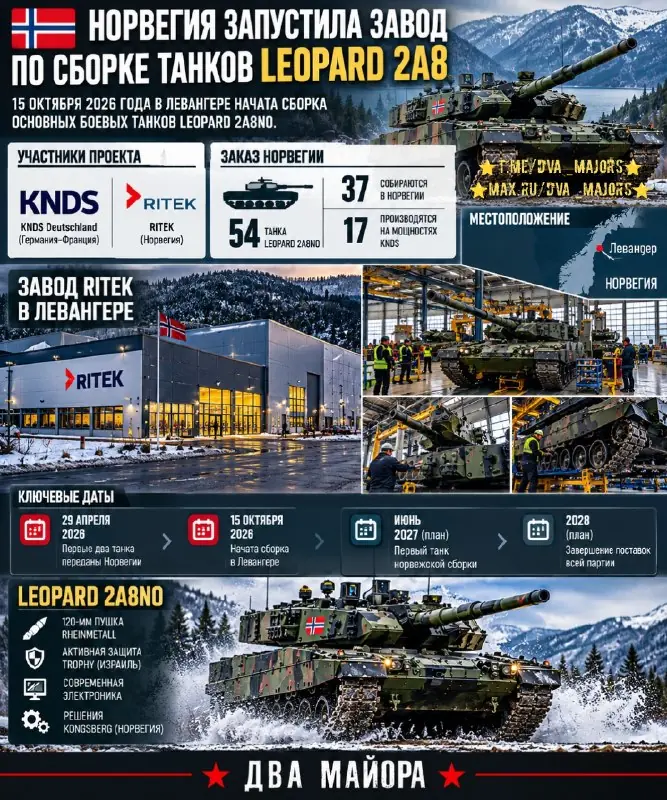
- German-Norwegian defense firm cited for Leopard 2A8NO production and unmanned howitzer development.
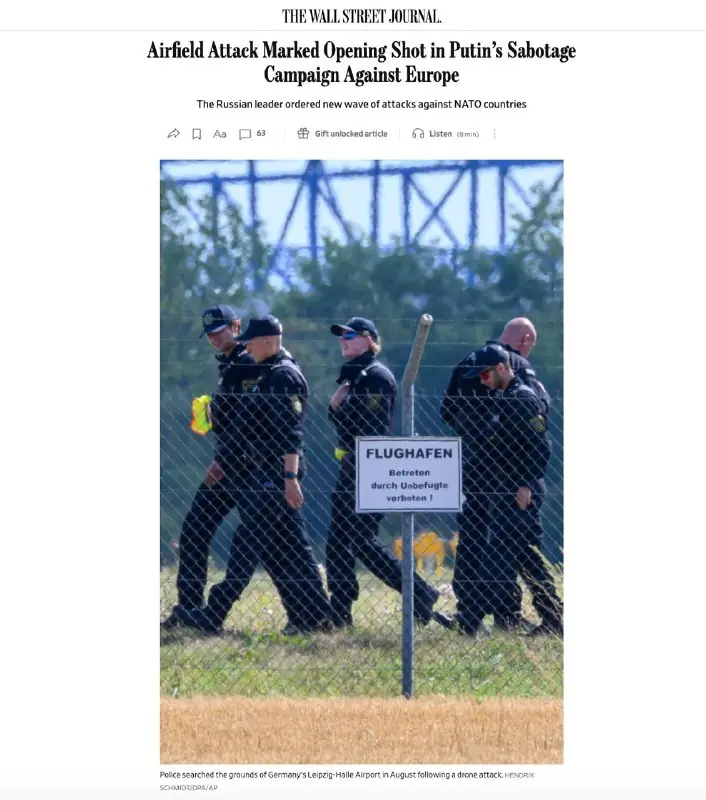
CounterpointsWestern and Ukrainian sources confirm the August drone attack on Leipzig-Halle Airport was a Russian sabotage campaign, validating Russian claims of hybrid threats but clarifying the perpetrator. Ukrainian reports note German companies like Quantum Systems and KNDS are actively developing advanced counter-drone and artillery systems, contradicting Russian narratives of German industrial exhaustion or inefficiency. Additionally, Western sources indicate Germany is exploring alternative fighter jet partnerships and delaying drone purchases, suggesting strategic caution rather than the aggressive expansion portrayed by Russian milbloggers.
The Baltics
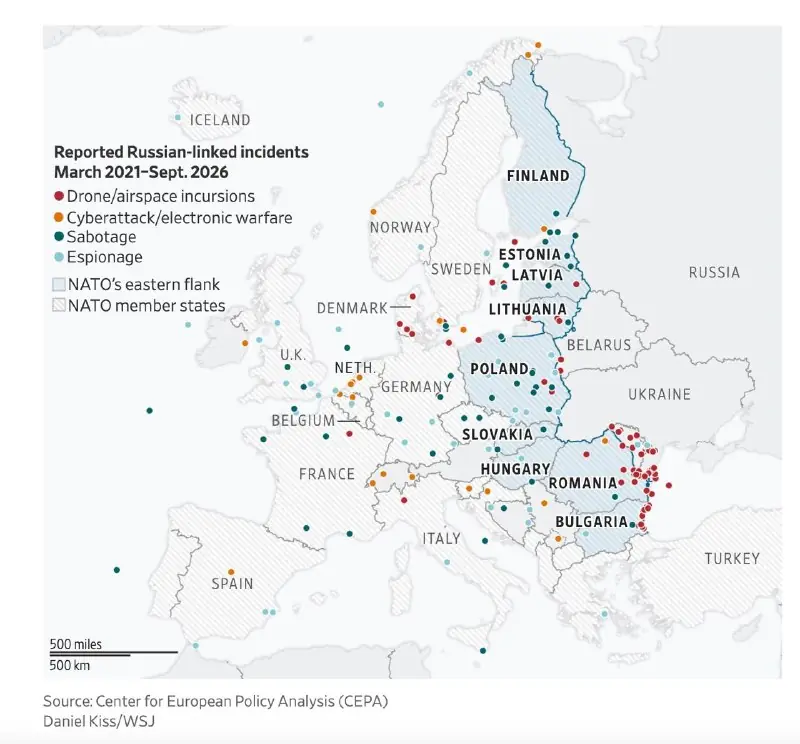
Russian milbloggers and state channels are intensifying narratives that frame The Baltics as active participants in the war, citing drone incursions, sabotage attempts, and military aid to Ukraine as evidence of NATO aggression. Key claims include Ukrainian drones using Baltic airspace to strike St. Petersburg, arson attacks on Starlink infrastructure in Lithuania, and significant expansions of NATO forces and radar systems in the region. Simultaneously, Russian border authorities are enforcing strict regime changes, including checkpoint closures and reduced crossing hours, while highlighting Latvian and Lithuanian infrastructure vulnerabilities. The tone is increasingly alarmist, linking these events to broader threats against Kaliningrad and the Suwałki Gap.
NamedMindaugas Sinkevicius ×9Gitanas Nausėda ×8Kaja Kallas ×8Robertas Kaunas ×4Margus Tsahkna ×3Martin Herem ×3ERR ×2Janis Dombrava ×2Martynas Katelynas ×2Raivis Melnis ×215min ×1Artis Pabrikis ×1Expand →
Collapse ↑
The Baltics
Russian channels' claims and tone about The Baltics — not confirmed fact; friendly sources in green.
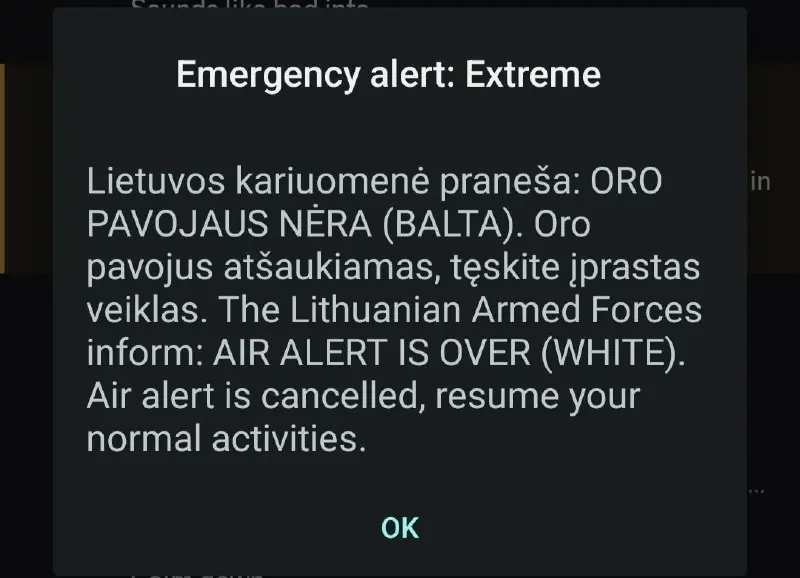
- Drone Incursions and Airspace Violations — Claims that Ukrainian drones used Lithuanian and Estonian airspace to strike Russian targets, causing alerts and damage.
- Sabotage and Infrastructure Attacks — Reports of arson attempts on Starlink facilities in Lithuania and Poland, attributed to Russian intelligence or hybrid warfare.
- Border Regime and Checkpoint Restrictions — Implementation of winter time schedules, closures, and strict border zone controls by Russian authorities.
- NATO Military Buildup and Exercises — Focus on German and Canadian brigades in Lithuania, radar installations, and joint exercises near the Belarus border.
- Baltic Aid to Ukraine — Tracking of military aid deliveries, including air defense systems and rockets, and requests for EU funding.
- Electronic Warfare and GPS Jamming — Reports on extensive GPS jamming incidents in Latvia and Lithuania, and claims of Russian radar capabilities.
- Mindaugas Sinkevicius person
- Lithuanian PM, cited in claims regarding drone incursions and Starlink sabotage.
- Gitanas Nausėda person
- Lithuanian President, linked to drone alerts and NATO consultation requests.
- Raivis Melnis person
- Latvian MoD, cited for announcing acoustic detection systems.
- Margus Tsahkna person
- Estonian Foreign Minister, cited for announcing military aid to Ukraine.
- Martin Herem person
- Estonian Defence Minister, cited for confirming GMLRS rocket deliveries.
- Robertas Kaunas person
- Lithuanian MoD official, cited for confirming drone air alerts.
- Janis Dombrava person
- Latvian Border Guard Chief, cited for reporting border infrastructure damage.
- Martynas Katelynas person
- Named in entity list, likely Lithuanian official, though specific role not detailed in cards.
- Artis Pabrikis person
- Ex-Latvian Defence Minister, cited in Ukrainian sources for claims about Kaliningrad.
- AN/TPS-77 system
- US Lockheed Martin radar installed in Lithuania, cited for improved detection.
- Starlink product
- Cited as target of arson attempts in Lithuania and Poland.
- GMLRS product
- Rockets for HIMARS, cited as delivered by Estonia to Ukraine.
- Binz Automotive GmbH company
- German company manufacturing ambulances for Lithuanian military.
- SW Energia company
- Estonian utility, cited for firms buying drone protection gear.
CounterpointsWestern sources confirm the drone incident in Lithuania but attribute the debris to a Ukrainian drone that entered from Poland, contradicting Russian claims of direct Baltic aggression or Russian sabotage as the primary cause. Polish authorities deny launching the drone, creating friction with Lithuanian claims, while OSINT reports focus on Russian military infrastructure expansion rather than Baltic offensive capabilities. Ukrainian sources also note that Russian milbloggers are exaggerating the scale of drone incursions from Estonia to threaten Narva.
Poland
Russian milbloggers are amplifying narratives of Polish diplomatic isolation and military strain, claiming Warsaw halted major aid to Kyiv over historical disputes and lacks Patriot interceptors due to Iranian strikes. They simultaneously highlight Poland's aggressive border posturing, citing K2 tank deployments near Kaliningrad and new SIGINT facilities in the region. While Russian channels frame these as signs of Western overextension and internal friction, Ukrainian and Western sources clarify that aid suspensions are temporary diplomatic measures and confirm Poland's active role in NATO logistics and air defense integration.
NamedDonald Tusk ×12Radosław Sikorski ×11Wladyslaw Kosiniak-Kamysz ×3Władysław Kosiniak-Kamysz ×3Defence24 ×1HMS Södermanland ×1Janusz Seymiej ×1KYNTEQ ×1Karol Nawrocki ×1Kosiniak-Kamysz ×1Leszek Miller ×1Marcin Kozak ×1Expand →
Collapse ↑
Poland
Russian channels' claims and tone about Poland — not confirmed fact; friendly sources in green.
- Diplomatic Aid Suspension — Russian channels claim Poland stopped military aid to Ukraine due to Lviv's UPA declarations, though Ukrainian sources note this is a temporary pause under negotiation.
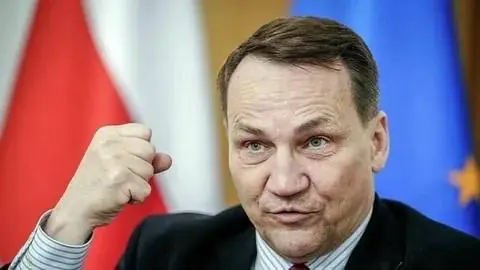
- Patriot Interceptor Shortage — Russian posts cite Polish FM Sikorski's admission of depleted Patriot stocks, framing it as a failure of Eastern Flank defense capabilities.
- Border Militarization — Reports focus on the 16th Mechanized Division's K2 Black Panther tanks and new Russian SIGINT antennas near the Polish border.
- NATO Logistics & Exercises — Russian analysis highlights multinational troop exercises in Poland and Polish procurement of Turkish C-UAS systems for the 'Shield of the East'.
- Internal Polish Politics — Russian channels exploit reports of political friction between PM Tusk and President Nawrocki, and threats against government officials.
- Drone Incursions & Alerts — Russian milbloggers report on Polish air alerts and border crossings, often linking them to Ukrainian drone operations or Russian strikes.
- Donald Tusk person
- Cited by Russian channels as condemning Lviv's UPA declarations and pushing for high EU military spending.
- Radosław Sikorski person
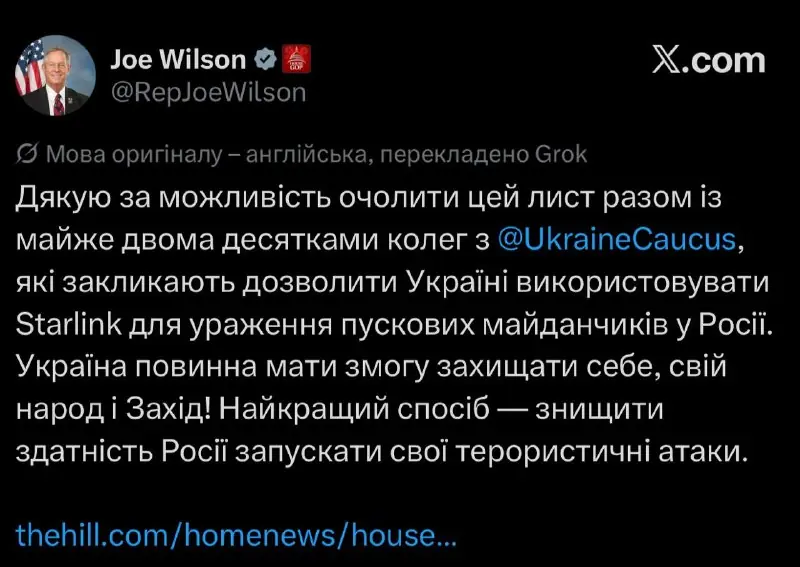
- Russian posts highlight his claims of Patriot shortages and his threats against Elon Musk regarding Starlink restrictions.
- Władysław Kosiniak-Kamysz person
- Polish Defense Minister cited in Russian reports regarding aid suspensions and condemnation of UPA glorification.
- Karol Nawrocki person
- Russian channels report on his accusations against PM Tusk regarding fabricated CIA invasion reports.
- K2 Black Panther system
- South Korean tanks deployed to Poland's 16th Mechanized Division near Kaliningrad, noted by Russian channels as a border threat.
- HAKİM C2 system
- Turkish command system inspected by Polish General Cukula for integration into Poland's 'Shield of the East' programme.
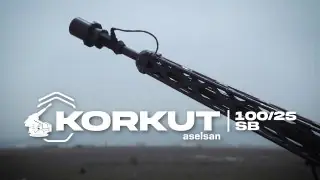
- İHTAR/ŞAHİN/KORKUT system
- Turkish counter-UAS systems inspected by Polish military leadership for potential adoption.
- GÖKBERK system
- Turkish laser weapon system mentioned in Russian reports on Polish defense procurement from ASELSAN.
- EJDERHA system
- Electronic warfare technology from ASELSAN cited in Russian posts regarding Polish military modernization.
- PGZ company
- Polish Armaments Group, cited by Russian channels as seeking private suppliers to increase domestic military production.
- ASELSAN company
- Turkish defense contractor whose systems are being inspected by Polish officials, noted in Russian reports.
- Janusz Seymiej person
- Polish MoD spokesperson cited by Ukrainian sources denying the complete halt of military aid to Ukraine.
CounterpointsUkrainian and Western sources contradict the Russian narrative of a permanent aid cutoff, with UNIAN reporting that the suspension is a temporary diplomatic pause actively being worked on to restore supplies. While Russian channels emphasize Poland's Patriot shortages, Western sources confirm Poland's active role in NATO logistics and the receipt of CTM-290 ballistic missiles, indicating continued capability enhancement rather than total depletion. Additionally, Ukrainian reports clarify that Polish air alerts were triggered by Ukrainian drone operations or spillover from Russian strikes, not necessarily direct Polish aggression or failure.
Belarus
Russian milbloggers are highlighting Belarus's deepening military integration with Russia, citing Defence Minister Belousov's meetings with Lukashenko on ODCB readiness and joint drone production initiatives. Reports emphasize Belarusian territorial involvement through militia formations, drone development mandates, and the use of Belarusian chassis for Russian air defense systems. While Russian channels frame these moves as necessary preemptive defenses against NATO, Ukrainian officials warn of Belarus as an active launch platform for ballistic missiles and drones, and Western sources document hybrid border incidents and sabotage attempts.
NamedAlexander Lukashenko ×1Andrei Karshakou ×1Expand →
Collapse ↑
Belarus
Russian channels' claims and tone about Belarus — not confirmed fact; friendly sources in green.
- Strategic Integration and ODCB — Belousov and Lukashenko discuss Western direction grouping and NATO brigade upgrades.
- Domestic Militarization and Militia — Lukashenko orders creation of 1,000+ rural militia units trained on drones and counter-sabotage.
- Drone Industry and Development — Joint Russian-Belarusian agricultural drone facility announced; Lukashenko mandates new military drone development.
- Border Hybrid Warfare — Russian sources claim armed groups and migrants are used in hybrid provocations against Latvia and Lithuania.
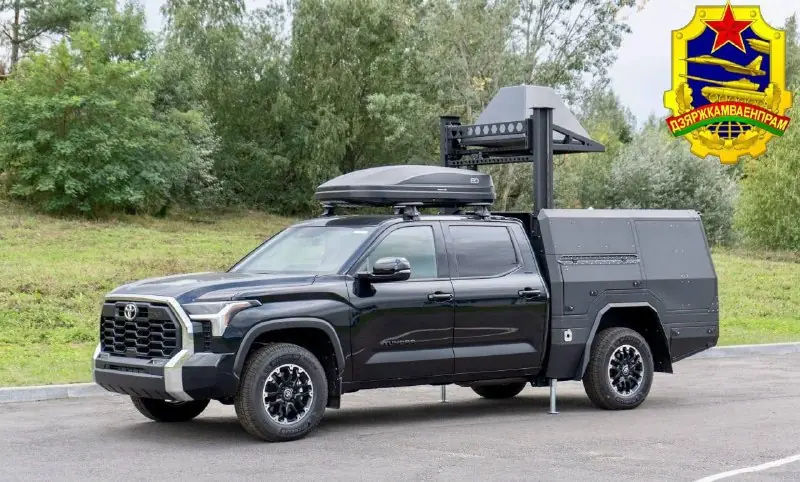
- Industrial Supply Chain — Belarusian MZKT chassis confirmed as integral to Russian Pantsir-S1M air defense deployments.
- Cross-Border Incidents — Russian reports cite drone strikes injuring civilians in Bryansk and sabotage attempts by foreign nationals.
- Alexander Lukashenko person
- Belarusian President ordering militia creation, drone development, and meeting with Belousov.
- Andrei Karshakou person
- Named entity in posts, likely a Belarusian official or military figure involved in the reported activities.
- MZKT-7930 product
- Belarusian chassis supplied to Russia for mounting Pantsir-S1M air defense systems.
- Pantsir-S1M system
- Russian air defense system observed on Belarusian chassis during Center-2026 exercises.
- ODCB programme
- Collective Security Treaty Organization Rapid Reaction Force grouping discussed for western direction.
- Center-2026 programme
- Exercise where Belarusian contingent and joint drone/robot tech were demonstrated.
- Aviation Technologies and Complexes company
- Site in Kaluga where joint Russian-Belarusian agricultural drone production is underway.
- Volya programme
- Belarusian volunteer unmanned systems company within Ukrainian Navy conducting special missions.
CounterpointsUkrainian President Zelensky contradicts the defensive framing by warning that Russia is installing repeaters in Belarus to extend drone corridors and deploying ballistic missiles, identifying Belarus as an active launch platform threat. Western and Ukrainian sources also qualify Russian claims of 'armed provocations' by identifying the border intruders as 'Black Russians' or noting that Belarusian volunteers are actively fighting for Ukraine in the 'Volya' company, rather than solely being used by Minsk for hybrid migration tactics.
Wider region
Wider NATO & region
Russian milbloggers are highlighting a surge in NATO logistical integration, specifically the NATO Support and Procurement Agency (NSPA) opening procurement channels to Ukraine, which they view as a significant escalation in alliance support. Simultaneously, they are amplifying narratives of hybrid threats, citing German reclassification of drone sabotage risks and Polish military buildups near Kaliningrad as evidence of direct NATO hostility. Political friction is also a key theme, with reports of Poland suspending aid over Lviv's UPA declarations and Lithuania seeking expanded EU defense funding, suggesting a fragmented but increasingly militarized Western front.
NamedRumen Radev ×12Patriot ×9Steve Witkoff ×8ASELSAN ×6Alexus Grynkewich ×6Jared Kushner ×5Ivaylo Mirchev ×4Pete Hegseth ×4Starlink ×4Zelensky ×4Alexander Stubb ×3Donald Trump ×3Expand →
Collapse ↑
Wider NATO & region
Russian channels' claims and tone about Wider NATO & region — not confirmed fact; friendly sources in green.
- NATO Logistics & Procurement — Russian channels emphasize the NSPA's new role in supplying Ukraine, framing it as a deepening of Western military involvement.
- Hybrid Threats & Sabotage — Reports focus on German drone alerts and Lithuanian radar deployments, portraying NATO territory as a hybrid warfare battleground.
- Baltic Militarization — Lithuania and Estonia are cited for major defense spending, new equipment, and radar installations, signaling a hardened northern flank.
- Polish-Ukrainian Political Friction — Suspension of aid by Poland due to Lviv's UPA declarations is highlighted to suggest Western unity is cracking.
- Black Sea Tensions — NATO surveillance reinforcements and drone incidents near Romania and Bulgaria are reported as escalating regional instability.
- Diplomatic Maneuvering — Russian sources track US envoy movements and EU negotiation proposals, interpreting them as attempts to manage conflict resolution without European input.
- Rumen Radev person
- Bulgarian President mentioned in context of regional security and NATO dynamics.
- Patriot system
- Air defense system referenced in relation to Bulgarian requests for allied air defense boosts.
- Steve Witkoff person
- US envoy reported to be meeting with Russian officials and Ukrainian leadership in Norway.
- ASELSAN company
- Turkish defense company linked to drone technology and regional military capabilities.
- Alexus Grynkewich person
- Named in regional security contexts, likely related to intelligence or defense analysis.
- Jared Kushner person
- US figure reported to be joining diplomatic discussions via video link.
- Ivaylo Mirchev person
- Bulgarian official mentioned in the context of national defense and regional politics.
- Pete Hegseth person
- US Defense Secretary reported to have visited Israel, signaling broader geopolitical synchronization.
- Starlink system
- Communication system reported as having military-grade restrictions lifted by US decision.
- Zelensky person
- Ukrainian President mentioned in context of peace talks and US intelligence sharing.
- Alexander Stubb person
- Finnish President participating in high-level peace negotiations in Norway.
- Donald Trump person
- US President reported to have intervened regarding Starlink restrictions and diplomatic meetings.
CounterpointsUkrainian and Western sources confirm the suspension of Polish aid due to the Lviv UPA declaration, validating the political friction narrative. However, they contradict the implication of total Western disunity by noting active work to restore supplies and the signing of new support packages with Finland. Additionally, Western reports clarify that the NSPA expansion is a logistical streamlining measure rather than a new funding source, and confirm NATO's Black Sea reinforcement is a direct response to attacks on commercial shipping, not an unprovoked escalation.
Latest findings
301 from the last 14 days · older findings by month →