OSIRIS AI
A Ukrainian deftech startup building high-speed AI interceptor drones and the DroneOS autonomy platform, with an R&D centre in Krakow and production in Ukraine and Poland.
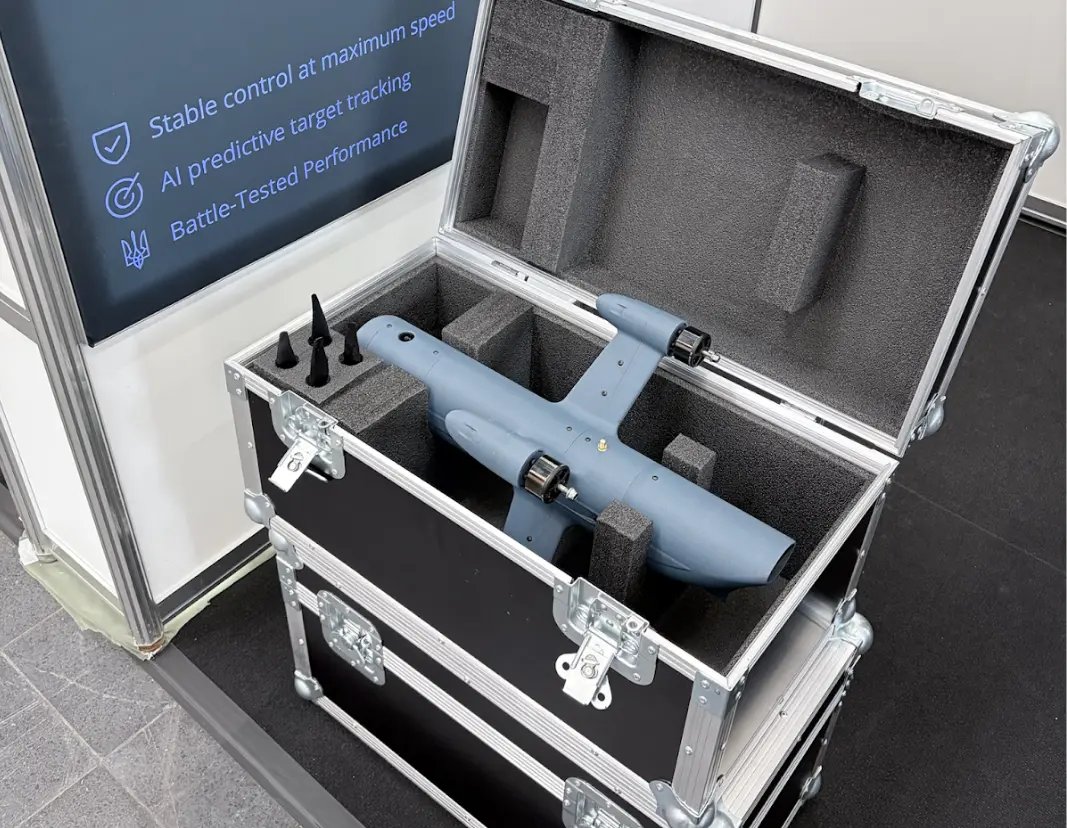
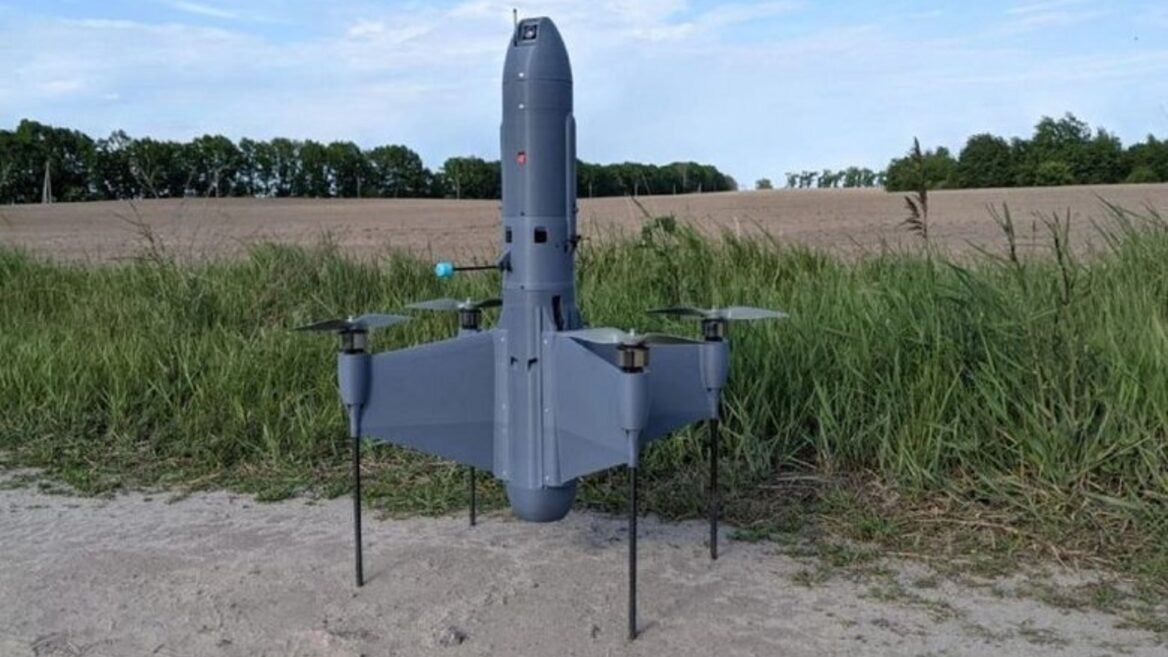
OSIRIS AI is a Ukrainian defence-technology startup developing high-speed interceptor drones built around its own autonomy software, OSIRIS DroneOS. Its flagship system, the OSIRIS UEB-1, is a compact carbon-fibre X-frame aircraft that the company says reaches roughly 315 km/h and engages targets at line-of-sight ranges of up to about 18 km, carrying a half-kilogram warhead. The UEB-1 was publicly unveiled at the Xponential Europe 2026 trade show in Düsseldorf in March 2026.
The drone’s distinguishing feature is software rather than airframe. OSIRIS DroneOS processes tracking data on board, predicting a target’s trajectory and steering the interceptor toward it with limited operator involvement — a design aimed at the short reaction times needed to catch Shahed-type loitering drones. To keep latency low at high speed, the UEB-1 uses an analog 5.8 GHz video link rather than a digital feed.
The company runs an R&D centre in Krakow and operates production across Ukraine and Poland, and reported attracting foreign investment in 2025. It sits alongside a growing field of Ukrainian interceptor makers chasing the same anti-Shahed mission, including Wild Hornets with its Sting interceptor and Fire Point with the Freya. Many of these systems reach Ukrainian units through the state-backed Brave1 defence-tech cluster.
Products
Drones
OSIRIS UEB-1
A carbon-fibre high-speed interceptor with a reported top speed of about 315 km/h and a line-of-sight range up to ~18 km, carrying a ~0.5 kg warhead. Runs the OSIRIS DroneOS platform for AI-based trajectory prediction and target tracking with minimal operator input.
Software
OSIRIS DroneOS
An onboard autonomy platform that lets unmanned systems track and intercept targets by processing sensor data in real time, reducing the need for constant operator control.
Gallery
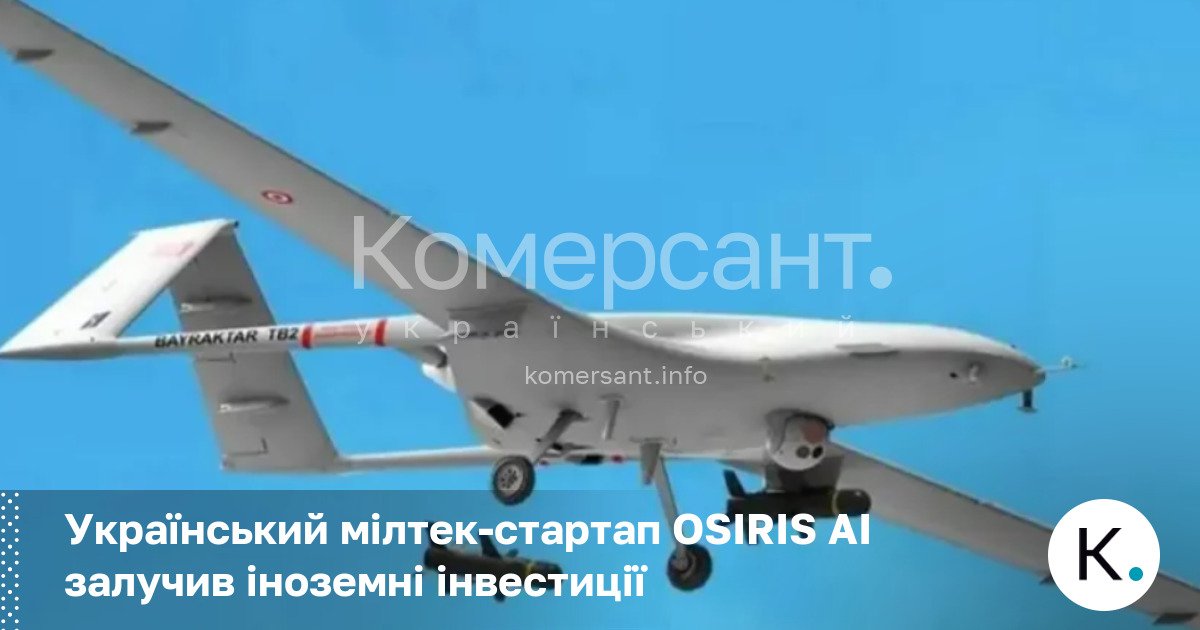
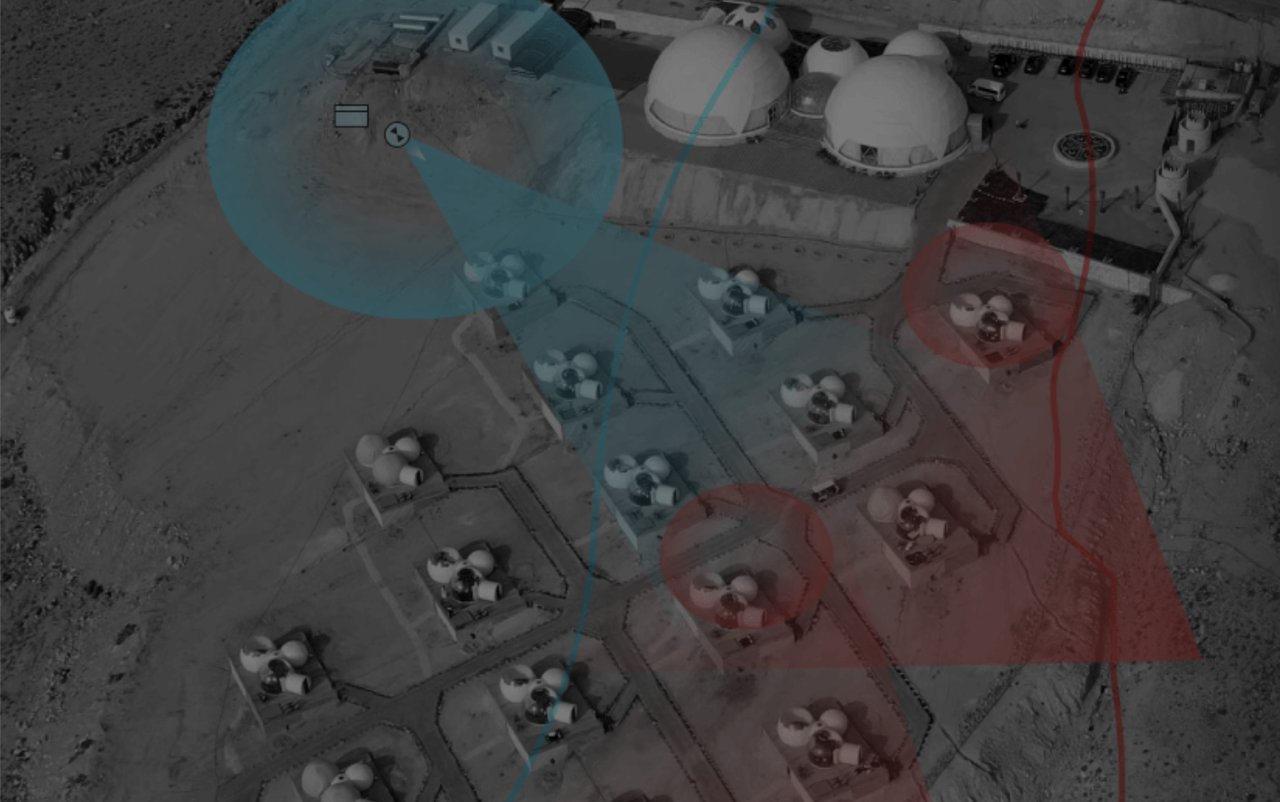
Photos: dev.ua · komersant.ua · scroll.media
Sources
- en.wikipedia.org/wiki/OSIRIS_UEB-1 (2026-06-19) — Wikipedia — OSIRIS UEB-1; Ukrainian developer, Krakow R&D, production in Ukraine and Poland, specs, DroneOS, official site osiris.ai.
- militarnyi.com/en/news/ukraine-develops-ueb-1-interceptor-drone-from-osiris-ai/ (2026-06-19) — Militarnyi — OSIRIS AI a Ukrainian startup; UEB-1 specs (315 km/h, 18 km, 3.1 kg, 0.5 kg warhead), DroneOS, AI tracking, foreign investment in 2025.
- thedefender.media/en/2026/03/osiris-ai-interceptor/ (2026-06-19) — The Defender — OSIRIS AI UEB-1 interceptor coverage (Xponential Europe 2026 unveiling).
Sources (13)
- en.wikipedia.org/wiki/OSIRIS_UEB-1
- techukraine.org/2025/11/05/osiris-ai-secures-us-investment-begins-testing-droneo …
- osirisai.com/
- www.wikidata.org/wiki/Q138791627
- en.wikipedia.org/wiki/OSIRIS_UEB-1
- en.wikipedia.org/wiki/OSIRIS_UEB-1
- en.wikipedia.org/wiki/OSIRIS_UEB-1
- en.wikipedia.org/wiki/OSIRIS_UEB-1
- en.wikipedia.org/wiki/OSIRIS_UEB-1
- en.wikipedia.org/wiki/OSIRIS_UEB-1
- en.wikipedia.org/wiki/OSIRIS_UEB-1 rate limited
- en.wikipedia.org/wiki/OSIRIS_UEB-1 rate limited
- en.wikipedia.org/wiki/OSIRIS_UEB-1