HavocAI
Low-cost autonomous surface vessels and the AI stack that flies them in swarms.
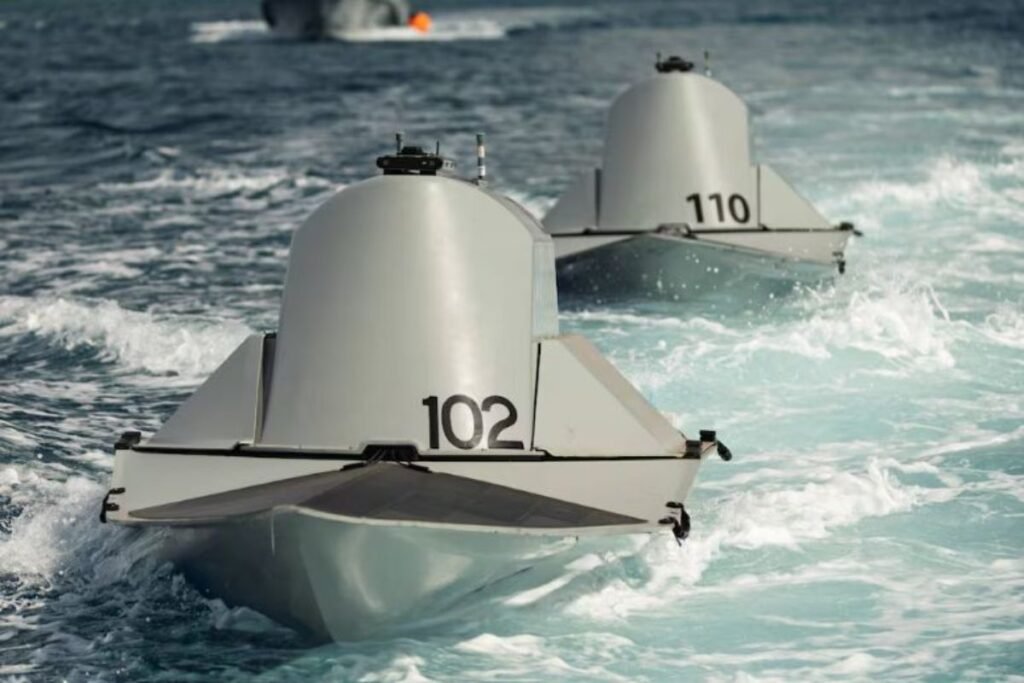
HavocAI builds low-cost autonomous surface vessels and, more importantly to its pitch, the artificial-intelligence “brains” that coordinate them in swarms. Founded in January 2024 in Providence, Rhode Island, by US Navy veterans Paul Lwin and Joe Turner, the company designs a single autonomy stack — branded Havoc OS, with command-and-control, analytics and resilient mesh-networking layers — that scales across hulls of very different sizes. Rather than designing every boat from scratch, it concentrates on the software and partners with established shipyards and integrators for the platforms.
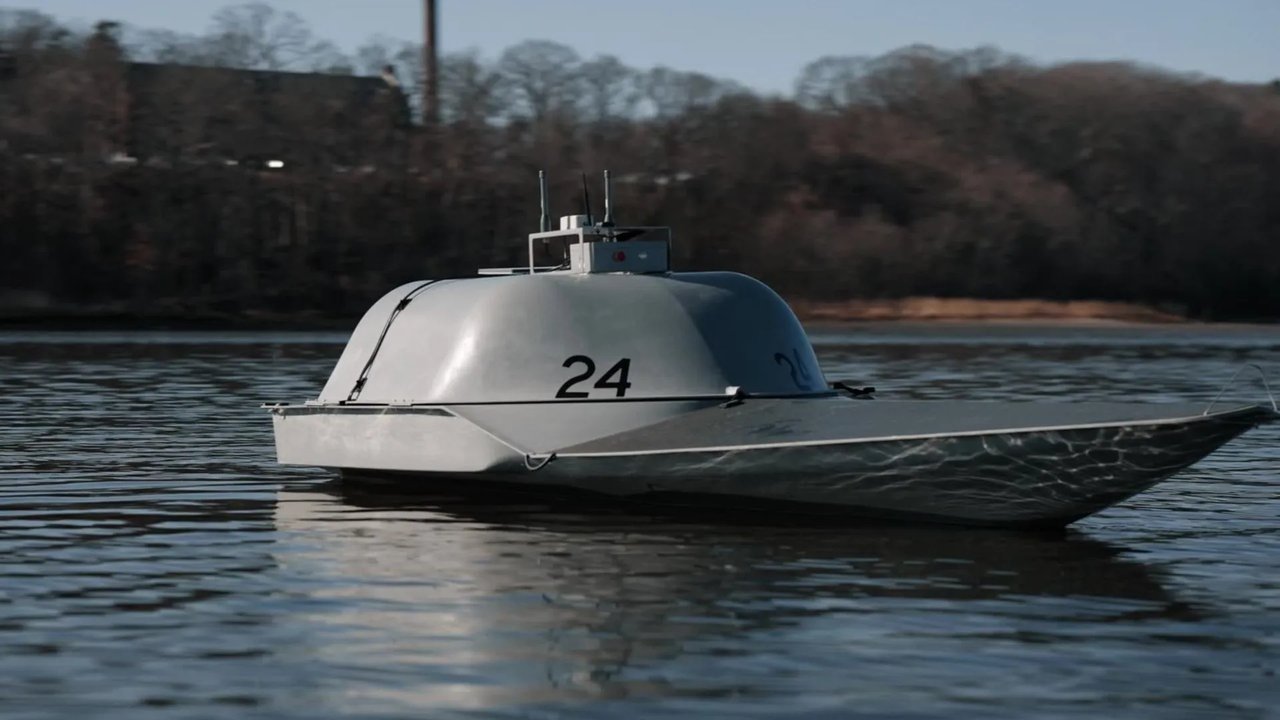
That product line runs from the 14-foot Rampage, an attritable craft priced around $100,000, up through the 38-foot Seahound, the 42-foot Pacific-oriented Kaikoa, and a 100-foot multi-mission Atlas built to carry sensors and weapons. The company says its autonomy has logged more than 25,000 hours of operations on the water.
The defence uptake has been fast. By mid-2025 HavocAI reported delivering more than 30 operational vessels and fielding roughly 32 boats with US Army, Navy and Defense Innovation Unit customers across Europe, the US coasts and Hawaii. The Navy bought a batch of Rampage craft following its Silent Swarm experiment, and the boats featured in the Army’s Project Convergence demonstration at Pearl Harbor. A partnership with Lockheed Martin, announced in 2025, has the prime contractor integrating sensors and weapons onto the larger Atlas hull while HavocAI supplies the platform and autonomy.
An $85 million Series A in October 2025, led by B Capital with strategic backing from In-Q-Tel and Lockheed Martin, took total funding to roughly $100 million and is aimed at production scale; the company employed about 80 people at the time. HavocAI sits in direct competition with Saronic in the US race to field uncrewed surface fleets, but with a contrasting strategy: where Saronic is building its own mega-shipyard, HavocAI casts itself as a leaner, autonomy-first player leaning on partner yards.
- Stack
- edge-autonomy
- mesh-networking
Products
Sea drones
Rampage
14-foot attritable USV priced around $100,000.
Seahound
38-foot USV with roughly 1,000-nautical-mile range and 1,000-pound payload.
Kaikoa
42-foot USV built for long-range Pacific operations.
Atlas
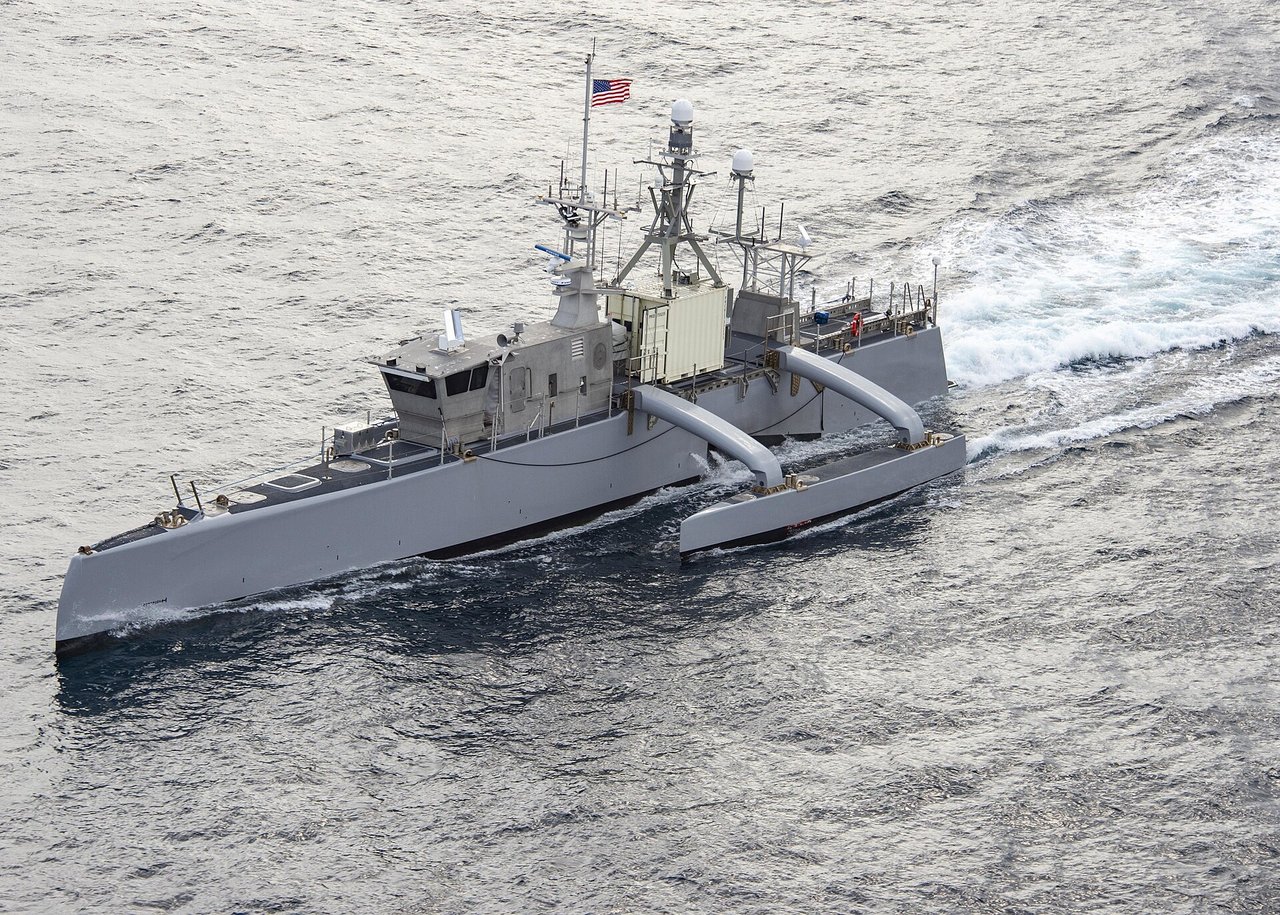
100-foot multi-mission medium USV for sensor and weapon integration.
Software
Havoc OS
Edge-autonomy stack with C2, analytics and mesh networking that runs the company's full USV line.
Gallery
Photos: navyleaders.com · san.com · ssbcrackexams.com · HavocAI
Sources
- www.prnewswire.com/news-releases/havocai-adds-85m-in-new-capital-to-scale-proven-autonomy-capabilities-302580282.html (2026-06-22) — Series A announcement (Oct 10, 2025) — $85M led by B Capital with In-Q-Tel and Lockheed Martin; Providence HQ; CEO Paul Lwin; 30+ deliveries to the US military.
- havocai.com/about (2026-06-22) — Company About page — Havoc OS software layers (C2/Insights/Connect), 25,000+ autonomous hours, Navy/Army customers.
- fortune.com/2025/10/09/havocai-85-million-autonomous-vessels-funding/ (2026-06-22) — Fortune (Oct 9, 2025) — Jan 2024 founding, ~80 employees, founders Lwin/Turner, product specs, Silent Swarm Navy buy, Army/Navy/DIU contracts.
- thedefensepost.com/2025/10/10/havocai-drone-boat/ (2026-06-22) — The Defense Post (Oct 10, 2025) — $85M round, ~80 employees, four-boat line and Rampage price, Army/Navy/DIU, Lockheed partnership.
- www.defenseone.com/business/2025/06/naval-drone-startup-havocai-hopes-build-100-foot-robot-boat-years-end/405901/ (2026-06-22) — Defense One (June 2025) — Atlas roadmap, ~32 boats deployed, Project Convergence Pearl Harbor, Saronic competitor framing.
- www.tectonicdefense.com/havocai-and-lockheed-martin-team-up/ (2026-06-22) — Tectonic Defense (Jul 8, 2025) — Lockheed Martin partnership integrating sensors/weapons onto the 100-foot Atlas.