First Parsec
Lviv aerospace startup building low-cost pulsejet engines and the strike and decoy drones they power.
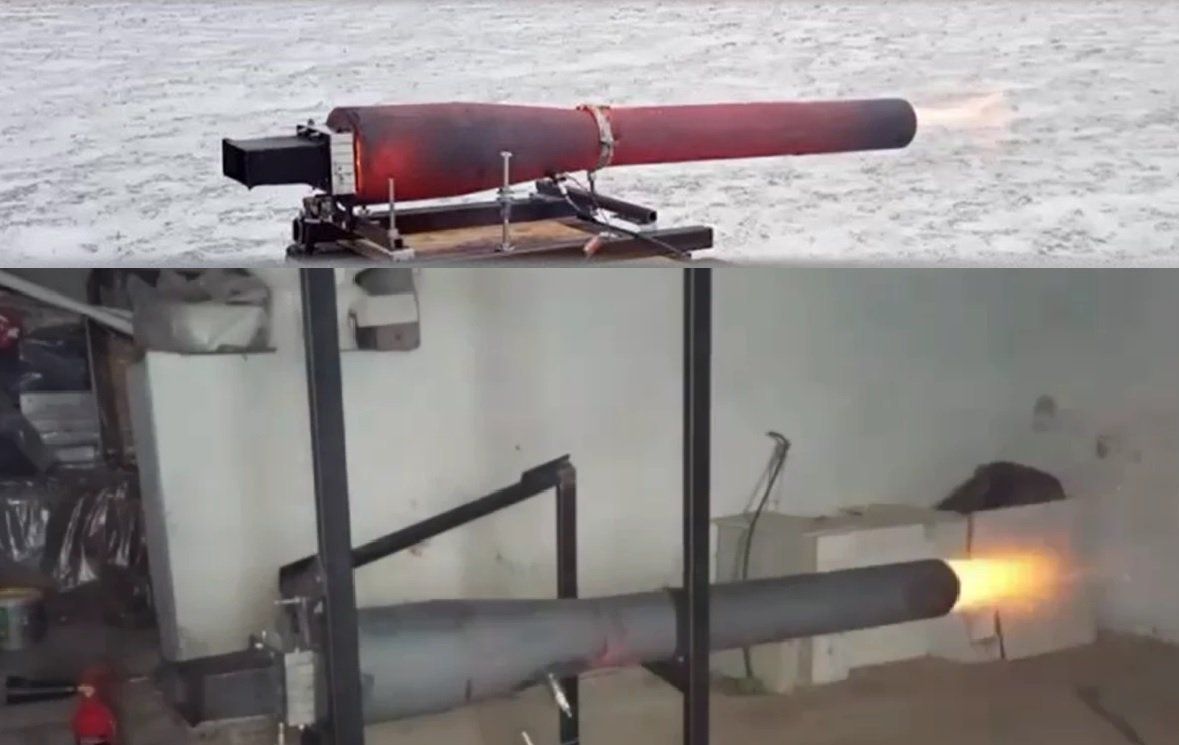
First Parsec is a Lviv-based aerospace startup that has become one of Ukraine’s more closely watched developers of low-cost pulsejet propulsion. Founded in 2022 by Oleksii Vynokur — whose team relocated to Lviv just days before the full-scale invasion — the company began as a space venture designing a roughly 9.6-tonne-thrust rocket engine for orbital cargo delivery; after that programme stalled, it pivoted to defence and to small pulsejet engines for long-range strike and decoy drones. Its lead product, the SHOOM-20, produces around 20 kg of thrust and has demonstrated roughly 16 to 17 minutes of continuous running in ground tests, with the team targeting up to two hours — enough, they say, for a platform to cover on the order of 700 to 800 km at speeds near 400 km/h. The company puts the unit cost at roughly $750, falling toward $500 at volume, and frames cheap, mass-producible engines as a way to compete with Russian deep-strike output on sheer numbers; it has cited a capacity of around 400 engines a month, scalable toward 1,000.
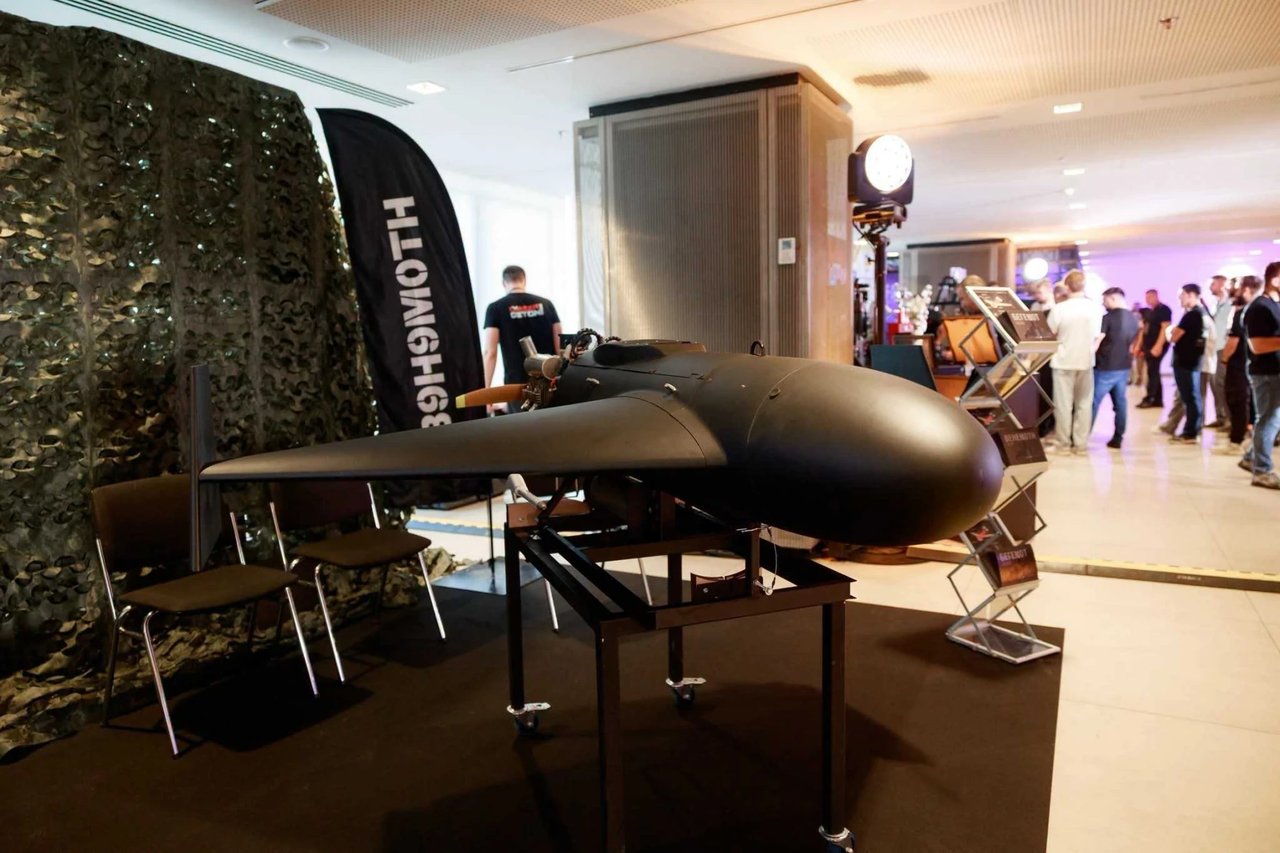
The engines are being developed alongside First Parsec’s own airframes: the KROOK-1, a long-range strike drone billed as a Ukrainian answer to the Shahed, and the SUETA-1, a target and decoy drone meant to draw out and exhaust enemy air defences. Two further pulsejet models — the smaller SHOOM-7 and a higher-thrust variant in the 40 kg class — are slated to follow, covering lighter and heavier UAV classes. In February 2026 the company received a contract to produce a batch of SHOOM-20 engines for flight testing aboard an unnamed Ukrainian manufacturer’s drone.
First Parsec’s earliest backing was modest — a small charitable injection from a US aerospace entrepreneur, the founder’s own capital, and grants from the state cluster Brave1 — rather than large government procurement. It sits within the same domestic push to break Ukraine’s dependence on imported mini jet engines that has produced rival pulsejet lines from Scopa Industries, with which it has shared technical updates, and KB Nezalezhne, and that Brave1 has been spotlighting through its components events.
Products
Drones
KROOK-1
Long-range strike drone powered by the company's pulsejet engines.
SUETA-1
Target and decoy drone built around the same pulsejet propulsion.
Missiles & loitering munitions
KROOK-1
Pulsejet-powered deep-strike and decoy drone with a 15 kg warhead and 200 km range — Ukraine's low-cost answer to the Shahed.
Introduced 2025
Hardware
SHOOM-20
Pulsejet engine delivering about 20 kg of thrust, targeting up to two hours of run time and roughly 700-800 km of range; unit cost around $500-750.
SHOOM-7
Smaller pulsejet variant for lighter platforms, in development.
SHOOM-40
Higher-thrust pulsejet variant for heavier platforms, in development.
SHOOM-20
Low-cost Ukrainian pulsejet engine producing 20 kg thrust to power affordable long-range strike and decoy drones at $750 a unit.
Introduced 2025
Gallery
Photos: www.thedefensenews.com · thedefender.media
Sources
- resiliencemedia.co/how-first-parsec-plans-to-outproduce-moscow-with-cheap-engines/ (2026-06-20) — Resilience Media — founder Oleksii Vynokur; 2022/Lviv origin; rocket-engine pivot; website firstparsec.space; $5k seed from Mike Grace + Brave1 grants; Scopa collaboration; ~400 engines/month capacity.
- militarnyi.com/en/news/first-parsec-to-produce-batch-of-shoom-20-engines-for-testing-new-drones/ (2026-06-20) — Militarnyi (Feb 1 2026) — production contract for SHOOM-20 batch; engine specs, pricing, run time.
- militarnyi.com/en/news/17-minutes-of-continuous-operation-what-is-known-about-the-ukrainian-shoom-20-engine/ (2026-06-20) — Militarnyi — SHOOM-20 thrust, run time, range and cost figures; 2-hour / ~800 km target.
- dev.ua/en/news/first-parsec-vyprobuvaly-reaktyvnyi-dvyhun-shoom-20-dlia-droniv-krook-1-ta-sueta-1-1765526008 (2026-06-20) — dev.ua — confirms KROOK-1 (strike) and SUETA-1 (target/decoy) platforms.
- thedefender.media/en/2025/09/first-parsec-launch-krook-1/ (2026-06-20) — The Defender — KROOK-1 long-range strike drone.