THAAD
Terminal High Altitude Area Defense — hit-to-kill interceptor destroying ballistic missiles inside and outside the atmosphere.
systemby Lockheed MartinIntroduced 2008
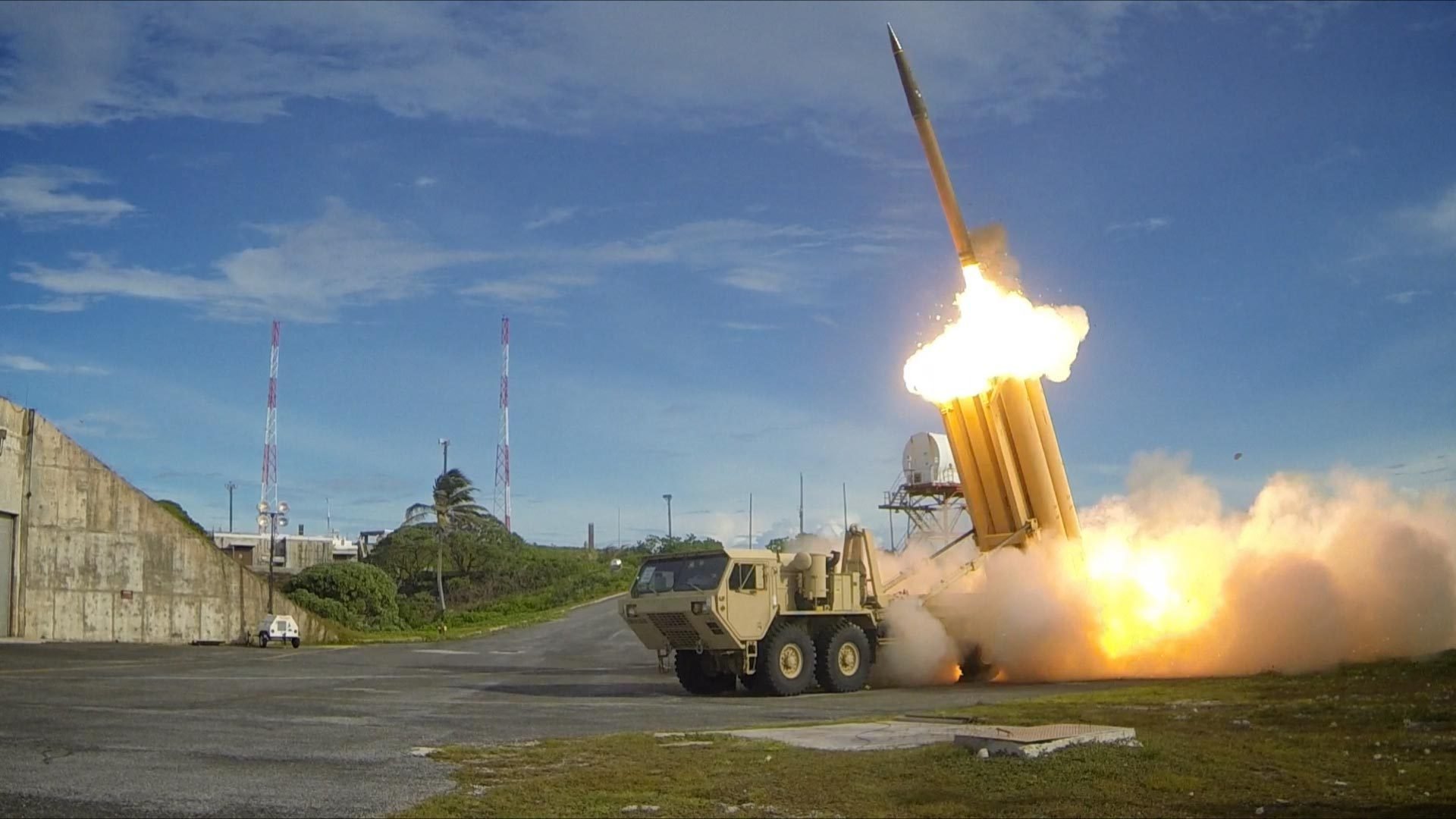
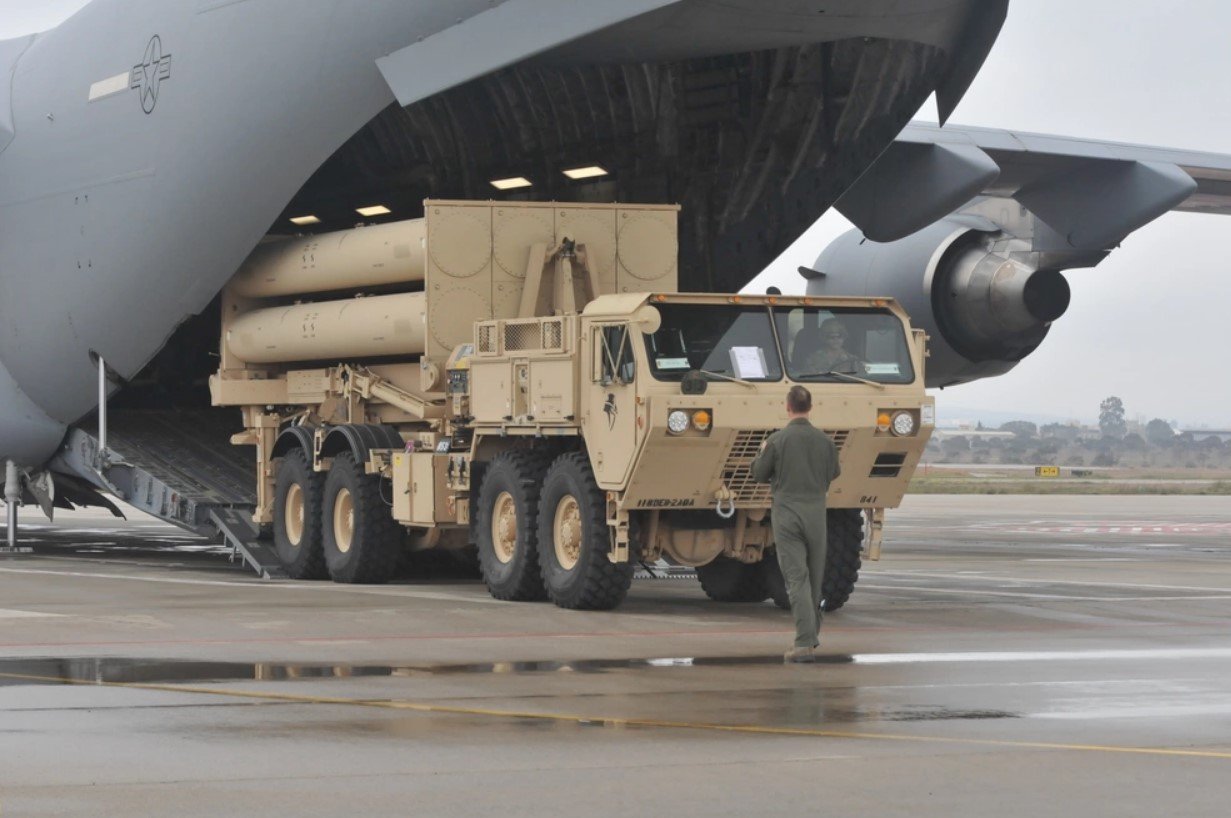
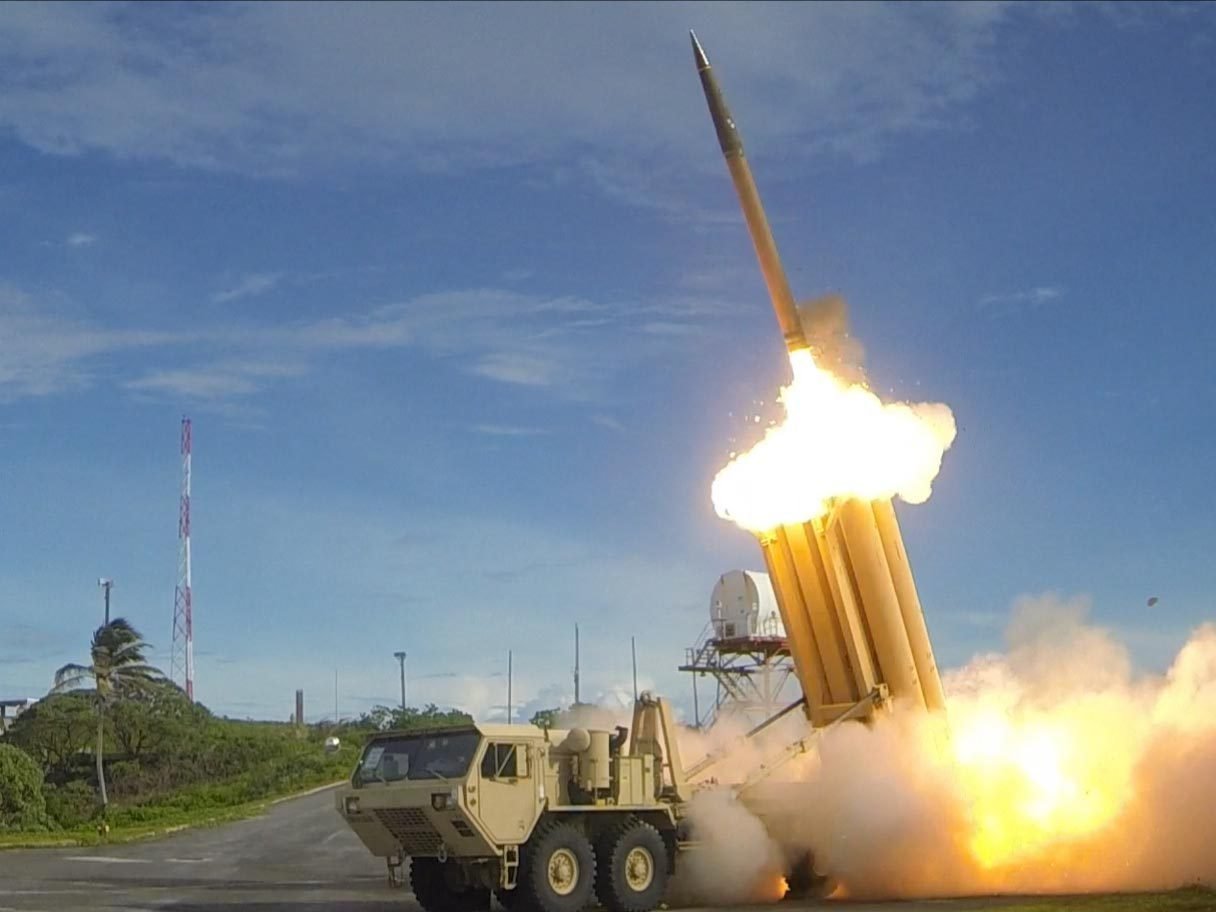
Photos: The U.S. Army Ralph Scott/Missile Defense Agency/U.S. Department of Defense · European Security & Defense · U.S. ArmyRalph Scott/Missile Defense Agency/U.S. Department of Defense
Terminal High Altitude Area Defense, known universally as THAAD, is a US ballistic-missile defence system built by Lockheed Martin and fielded by the US Army since 2008. The system is designed to engage short- and medium-range ballistic missiles in their terminal phase, intercepting warheads at altitudes that span the upper atmosphere and the near-space region above it. Each battery pairs truck-mounted launchers carrying eight interceptors apiece with the AN/TPY-2 X-band radar, a transportable Raytheon-built sensor that handles both forward-based early warning and terminal fire-control. Lockheed Martin reports ten active batteries worldwide: seven in US service, two with the United Arab Emirates and one in Saudi Arabia, with export interest from Israel and South Korea.
The interceptor relies on hit-to-kill — a kinetic intercept with no explosive warhead, in which a single-stage solid rocket motor accelerates a kill vehicle to above Mach 8 onto a direct collision course with the incoming warhead. Terminal homing uses an imaging infrared seeker; divert-and-attitude-control thrusters make the final corrections. Lockheed Martin reports a 100% success rate across the programme’s intercept flight tests, a figure that applies to controlled trials rather than combat. The AN/TPY-2 radar is reportedly a billion-dollar unit, a cost that has made it a priority target: Russian milbloggers citing Military Watch claim Iran destroyed two of them during the June 2026 conflict, though independent confirmation of those losses has been limited.
Combat use and stockpile pressure now dominate the system’s news cycle. Russian aggregator channels, citing unnamed US sources, claim roughly 80% of US THAAD interceptors and about half of the Patriot PAC-3 inventory were expended during the Iran war, and that Pentagon leak investigations followed in which some fifty senior staff were polygraphed. CBS News has separately reported that former US Army Chief of Staff Gen. Randy George — ousted in April during the Iran war — warned that THAAD and Patriot stocks could remain critically low through 2030. In response, Lockheed Martin and the US Department of War signed a January 2026 framework agreement to quadruple interceptor output from 96 to 400 units a year, backed by $8–9 billion of company investment across more than twenty US sites. GM Defense has joined the supply chain for interceptor body components, delivering its first shipment within 22 days of contract signature. A separate $211.4 million contract covers additional Configuration 3 launchers for the UAE, carrying work through January 2031.
Doctrinally, the system is being pushed in new directions. US defence press has reported interest in moving away from the traditional autonomous-battery concept toward a networked sensor-shooter architecture closer in philosophy to Russian S-300/400 systems, where mobile radars feed geographically separate launchers. North Korean tests of the Hwasong-11B-1 and Hwasong-16B hypersonic glide vehicles, with their low-altitude manoeuvring profiles designed explicitly to complicate THAAD and Patriot engagement, are among the threats driving that re-think.
Sources (15)
- Telegram channel:t.me/VictoryDrones/65422
- Telegram channel:t.me/VictoryDrones/65218
- Telegram channel, Russian side:t.me/readovkanews/114596
- Telegram channel:t.me/osintdefender/19810
- Telegram channel, Russian side:t.me/intelslava/94000
- Telegram channel:t.me/Faytuks_Network/8439
- Telegram channel:t.me/clashreport/92606
- Telegram channel:t.me/clashreport/101440
- Telegram channel, Russian side:t.me/boris_rozhin/228416
- Telegram channel, Russian side:t.me/boris_rozhin/222341
- /osint-hetzner/2026-08-15--us-considers-mobile-air-defense-radars-modeled-on-rus …
- www.lockheedmartin.com/en-us/products/thaad.html
- www.lockheedmartin.com/en-us/news/features/2026/Lockheed-Martin-and-the-U-S-Depa …
- www.lockheedmartin.com/en-us/products/thaad.html
- www.lockheedmartin.com/en-us/news/features/2026/Lockheed-Martin-and-the-U-S-Depa …